4 hr 30 min
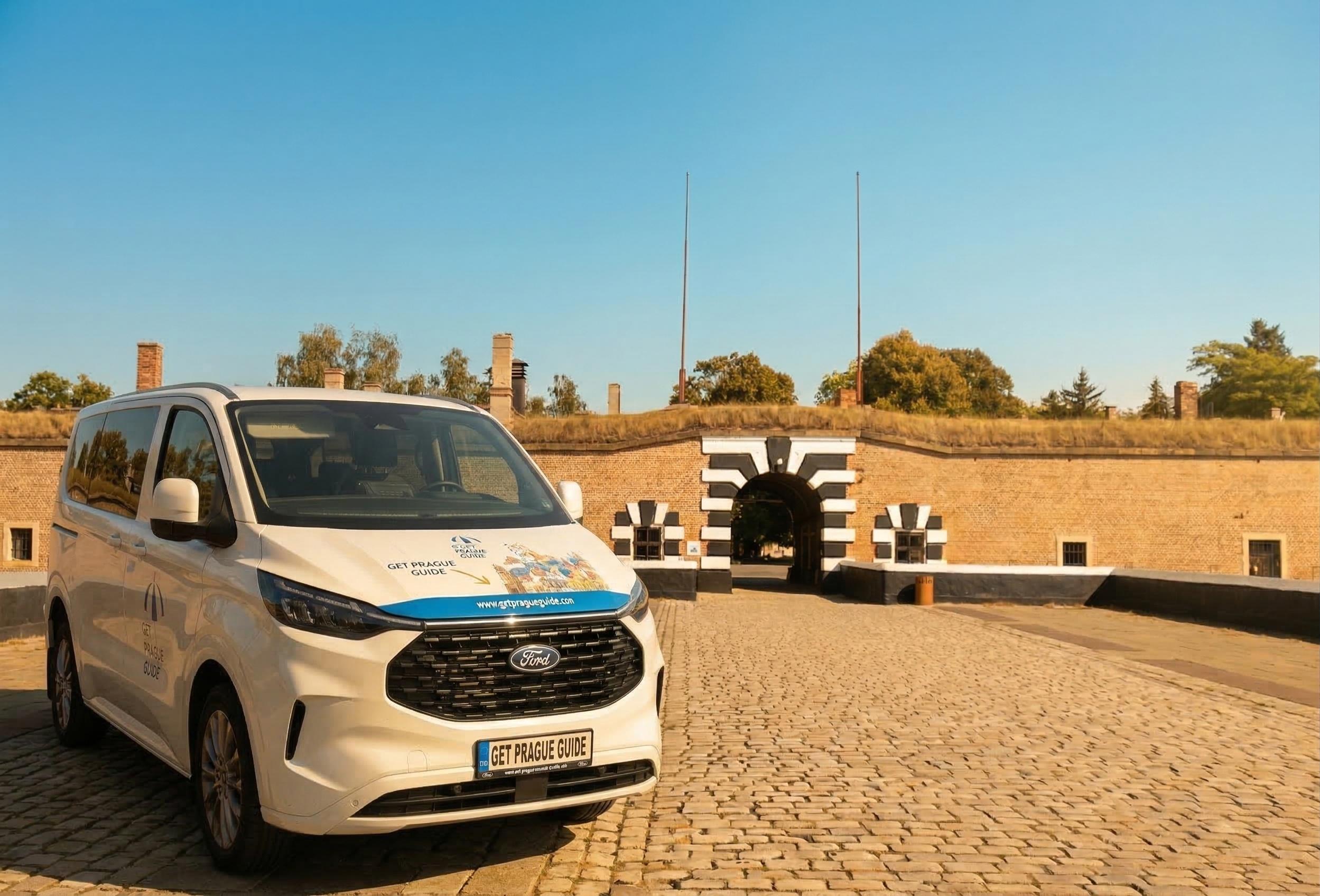
Terezín Concentration Camp Half-Day Tour from Prague
- Expert local guide
- Small group
- Skip-the-line access
- Free cancellation
Terezin Memorial — Entry to the Small Fortress & Ghetto Museum
Where 150,000 lives converged, a landscape preserves witness.
Compare fares, pick the fit — all bookings are mobile-voucher and eligible for free cancellation where shown.
4 hr 30 min
5 hr
6 hr
| Experience | From | Duration | Rating | Skip-the-line | Guide | Small group | Price | |
|---|---|---|---|---|---|---|---|---|
|
Guided Experience
Most popular
Terezín Concentration Camp Half-Day Tour from Prague
|
Prague | 4 hr 30 min | ★ 4.6 | ✓ | ✓ | ✓ | €55 | Book → |
|
Guided Experience
Terezin Concentration Camp Guided Tour from Prague
|
Prague | 5 hr | ★ 4.4 | ✓ | ✓ | ✓ | €63 | Book → |
|
Guided Experience
Terezín Fortress and Ghetto Museum Half-Day Tour from Prague
|
Prague | 6 hr | ★ 4.3 | ✓ | ✓ | ✓ | €73 | Book → |
Worth it for those seeking profound historical education
Terezin concentration camp tickets grant access to one of Europe's most significant Holocaust memorial sites, where the 310 CZK combined entry to the Small Fortress and Ghetto Museum delivers an unfiltered historical education that few sites can match. The price includes extensive exhibitions documenting the Nazi transit camp where 140,000 Jews passed through between 1941 and 1945, with preserved barracks, solitary confinement cells, and testimonies from survivors. Unlike sanitized museum exhibits, Terezin presents the raw infrastructure of oppression—cramped dormitories, execution grounds, and propaganda spaces used to deceive the Red Cross. The Small Fortress served as a Gestapo prison, while the Ghetto Museum chronicles daily life under persecution through artwork, letters, and photographs. For visitors prepared for a somber, emotionally demanding experience spanning multiple hours across authentic historical grounds, terezin concentration camp tickets tours offer irreplaceable insight into this dark chapter. Those seeking lighter cultural experiences should reconsider, as the site demands emotional resilience and respectful engagement with its tragic history.
Bottom line: The terezin concentration camp tickets tour justifies the admission through profound historical testimony, provided you're emotionally prepared for its weight.
Hand-picked experiences loved by thousands of travelers
6 hours
Free Cancellation
Journey from Prague to explore the haunting history of Terezin, a WWII ghetto and camp complex
3.5 hours
Free Cancellation
Explore three key WWII sites at Terezín with expert-led tour of the former Gestapo prison and self-guided ghetto visit
7 hours
Free Cancellation
Journey to a haunting WWII site and uncover the stories of those imprisoned in this fortress-turned-ghetto
12 hours
Free Cancellation
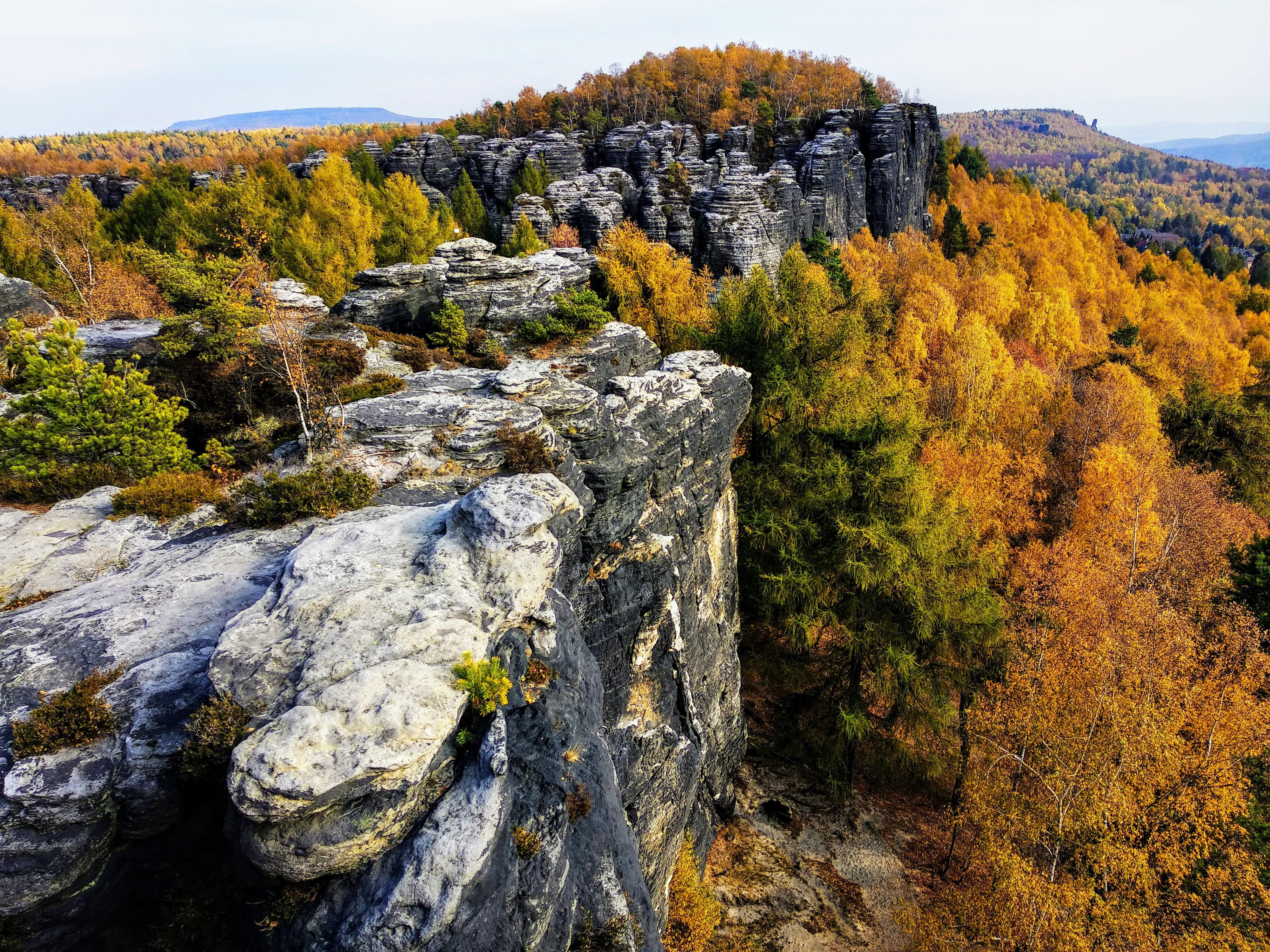
Journey through WWII history and stunning natural landscapes on this full-day guided adventure
5 hours
Free Cancellation
Intimate exploration of Terezin's tragic history with an expert Holocaust historian in a small group setting
Explore the prison cells and execution courtyard
View permanent exhibits on ghetto life
Visit the arts and culture exhibitions
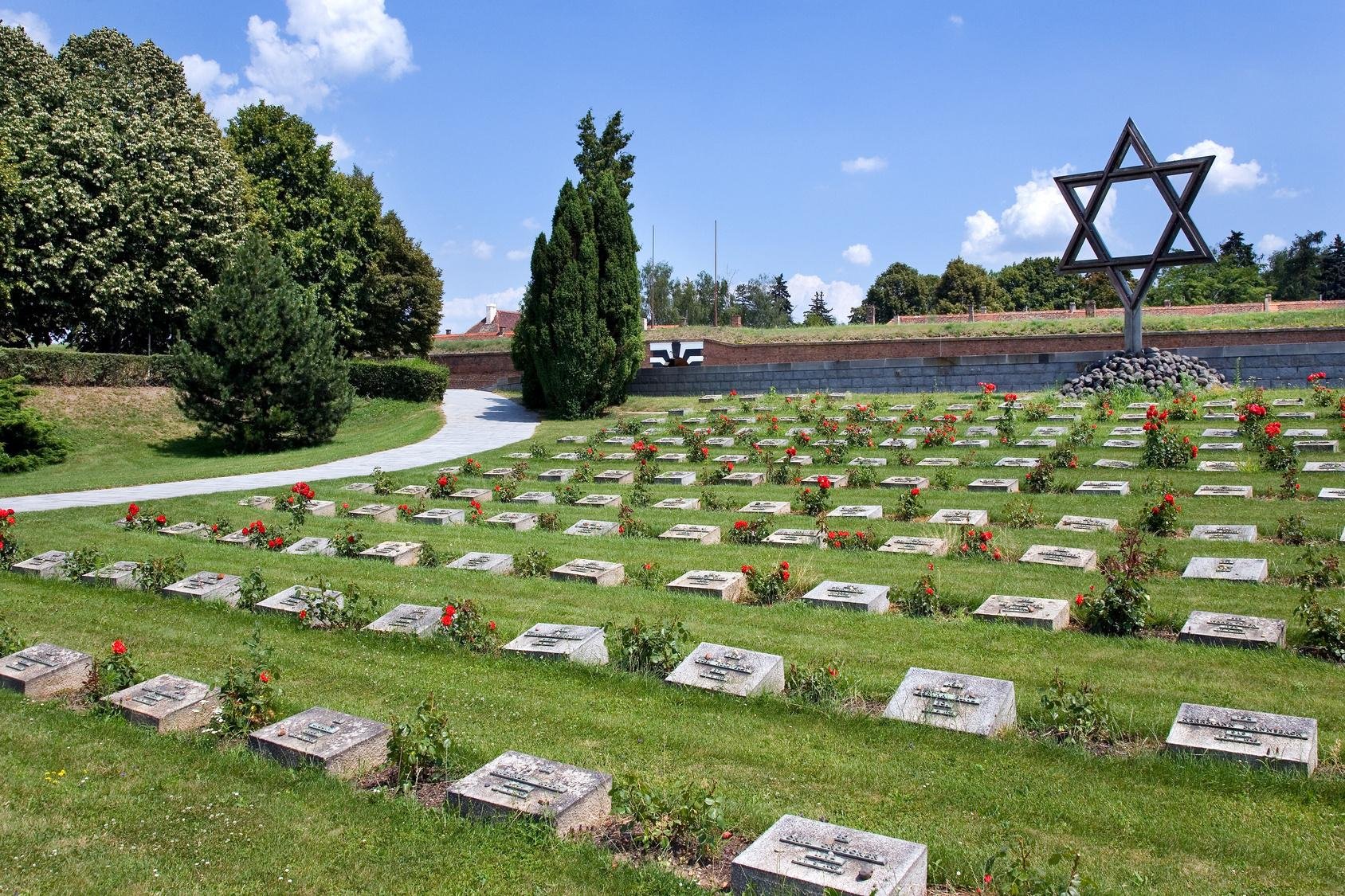
Pay respects at the memorial grounds
This former prison served as the primary site of Gestapo internment and is the main location of the site. Its historic cells and execution yard offer a solemn look into the experiences of the imprisoned.
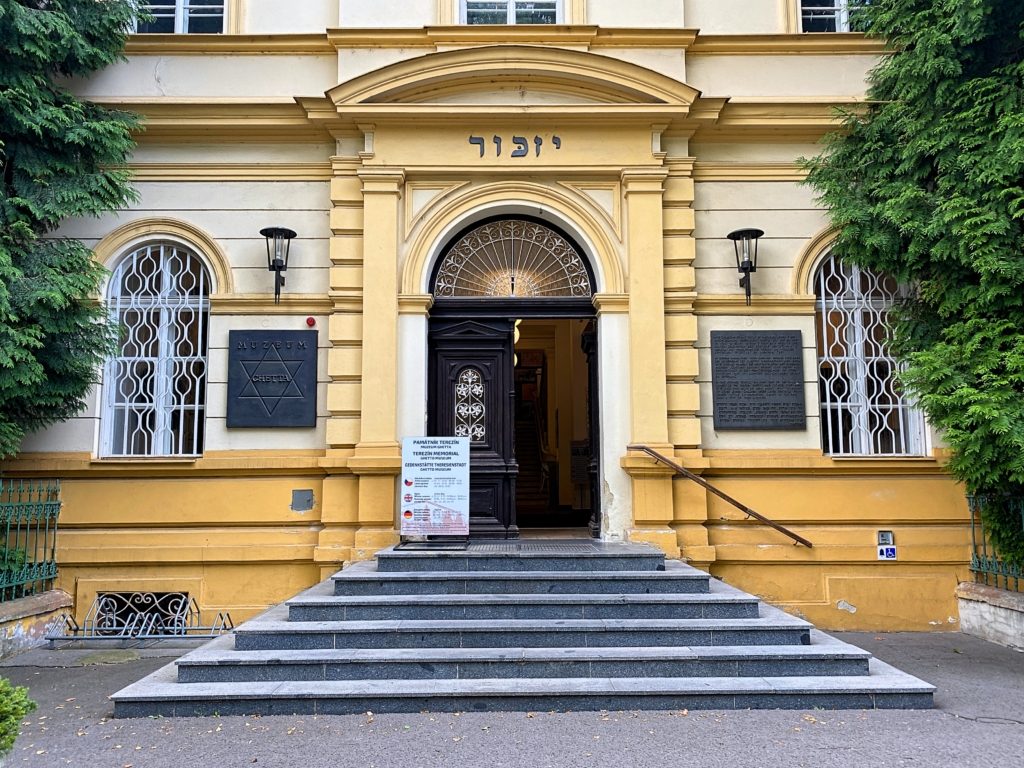
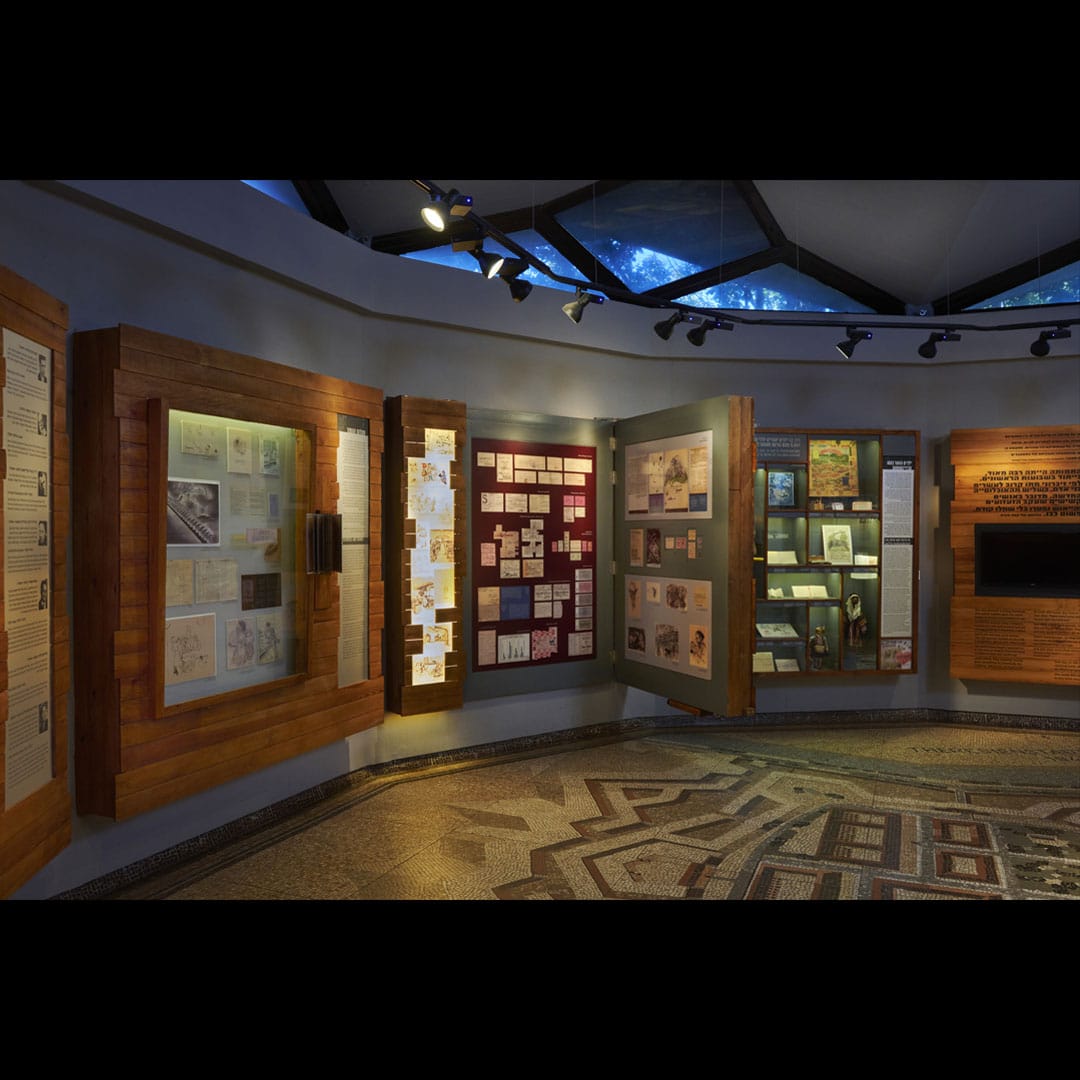
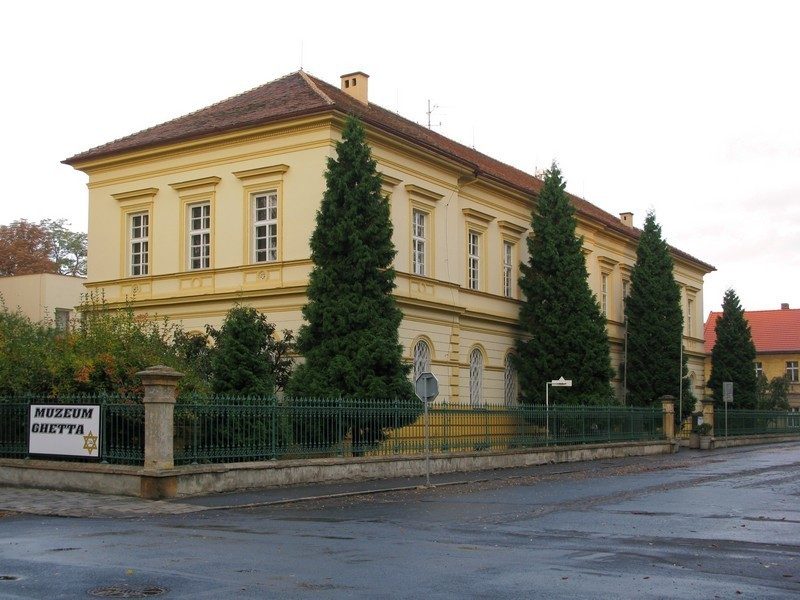
Located in a former school, this building houses the primary historical exhibitions. It features haunting artwork created by children during their internment in the ghetto.
This building serves as the center for cultural and religious life documentation. It features replicas of typical living quarters and art exhibits from the ghetto period.
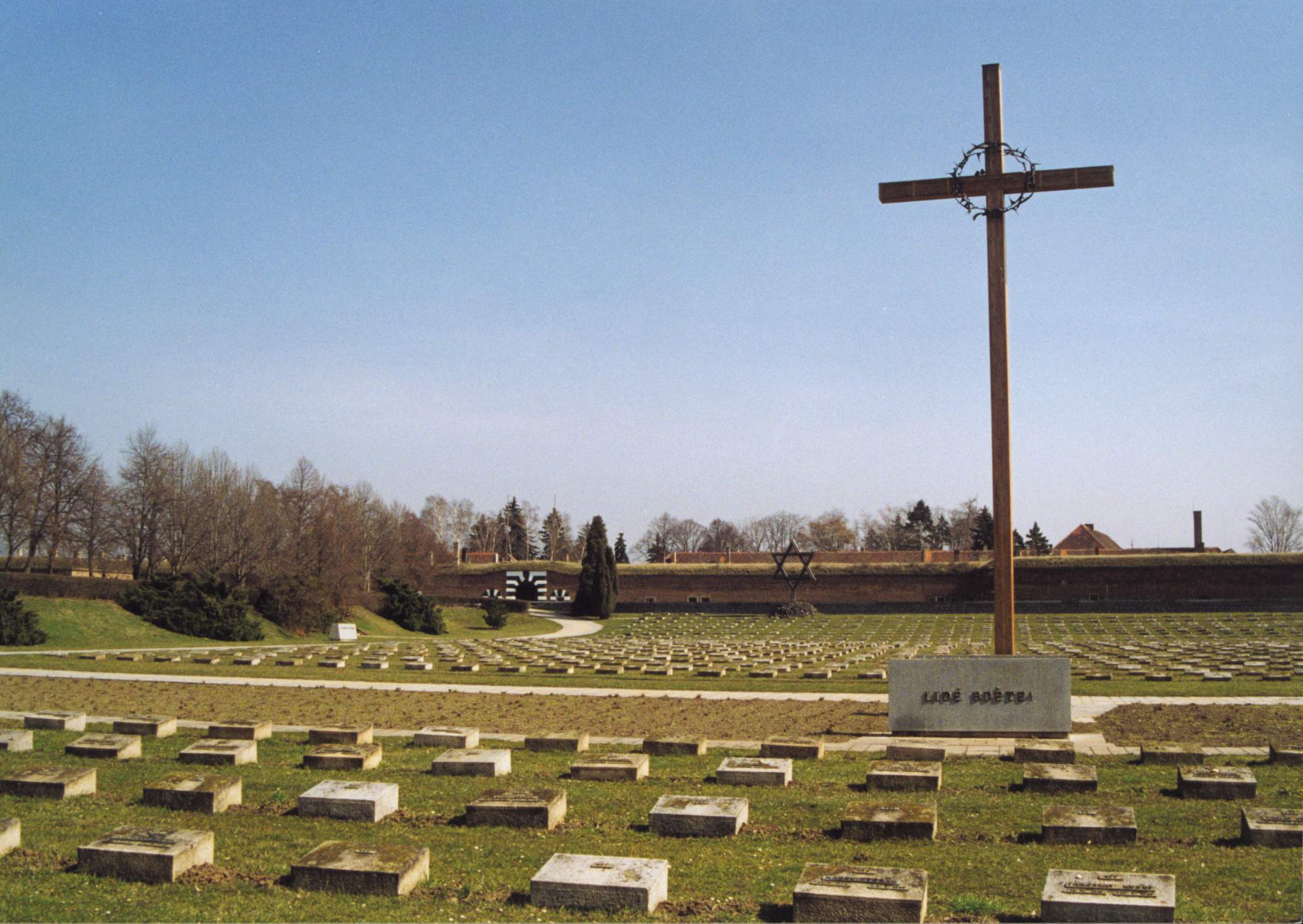
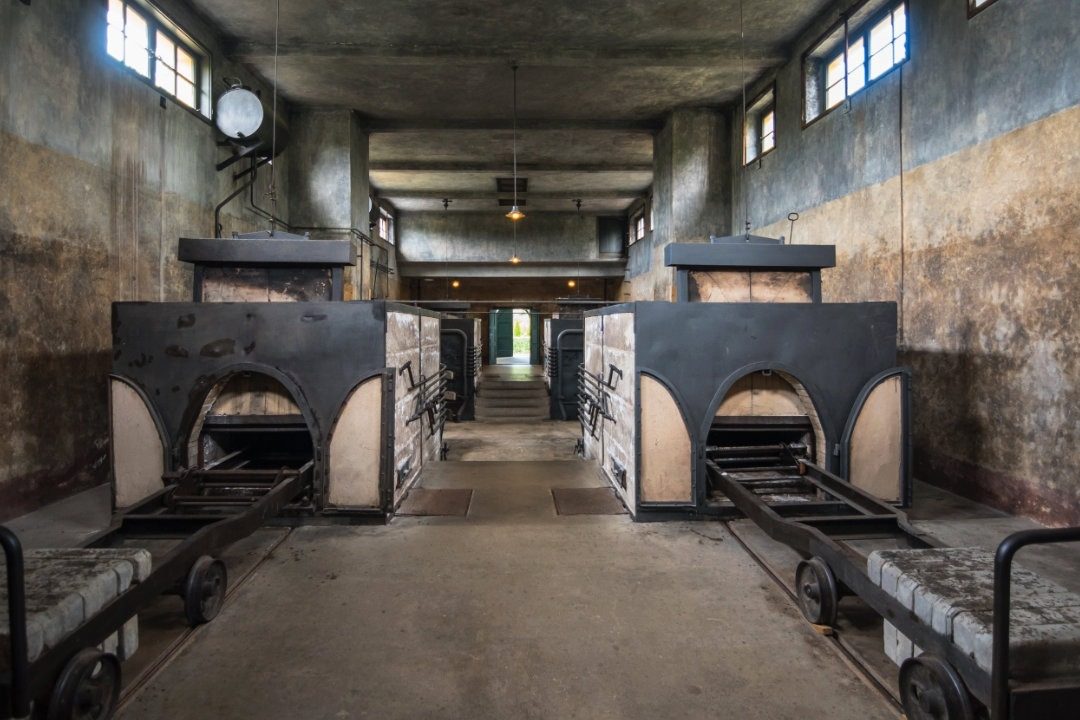
This area holds the crematorium, columbarium, and ceremonial halls. It remains a deeply significant place for mourning the victims of the concentration camp.
The columbarium wall stored the urns of prisoners who died in the camp. It represents a vital part of the site’s memorial landscape.
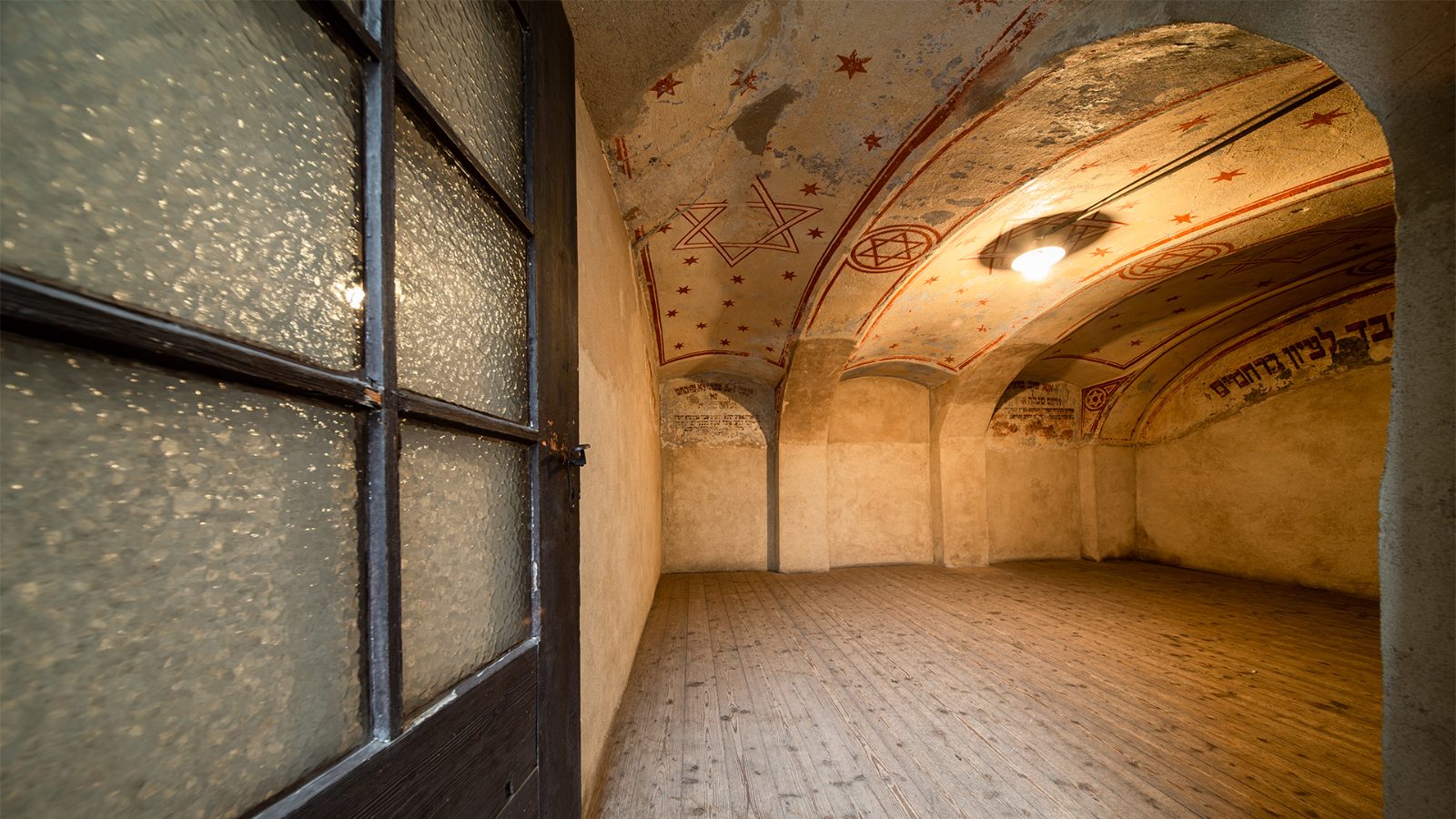
A secret space used by prisoners for worship, discovered only in the 1990s. It stands as a testament to the resilience of those held in the ghetto.
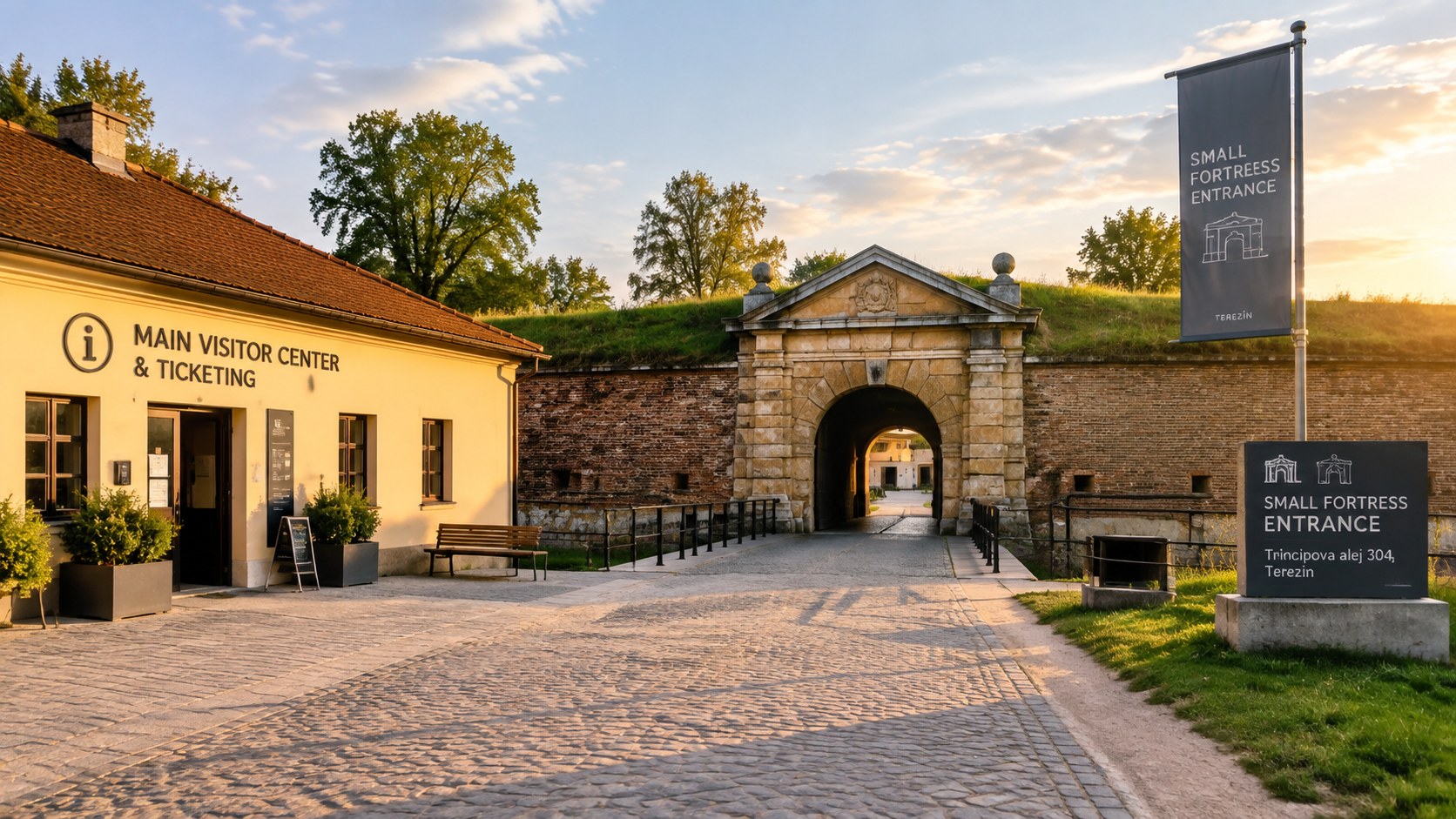
You arrive at Principova alej mid-morning, when the ticket office opens and coach groups have not yet filled the parking area.
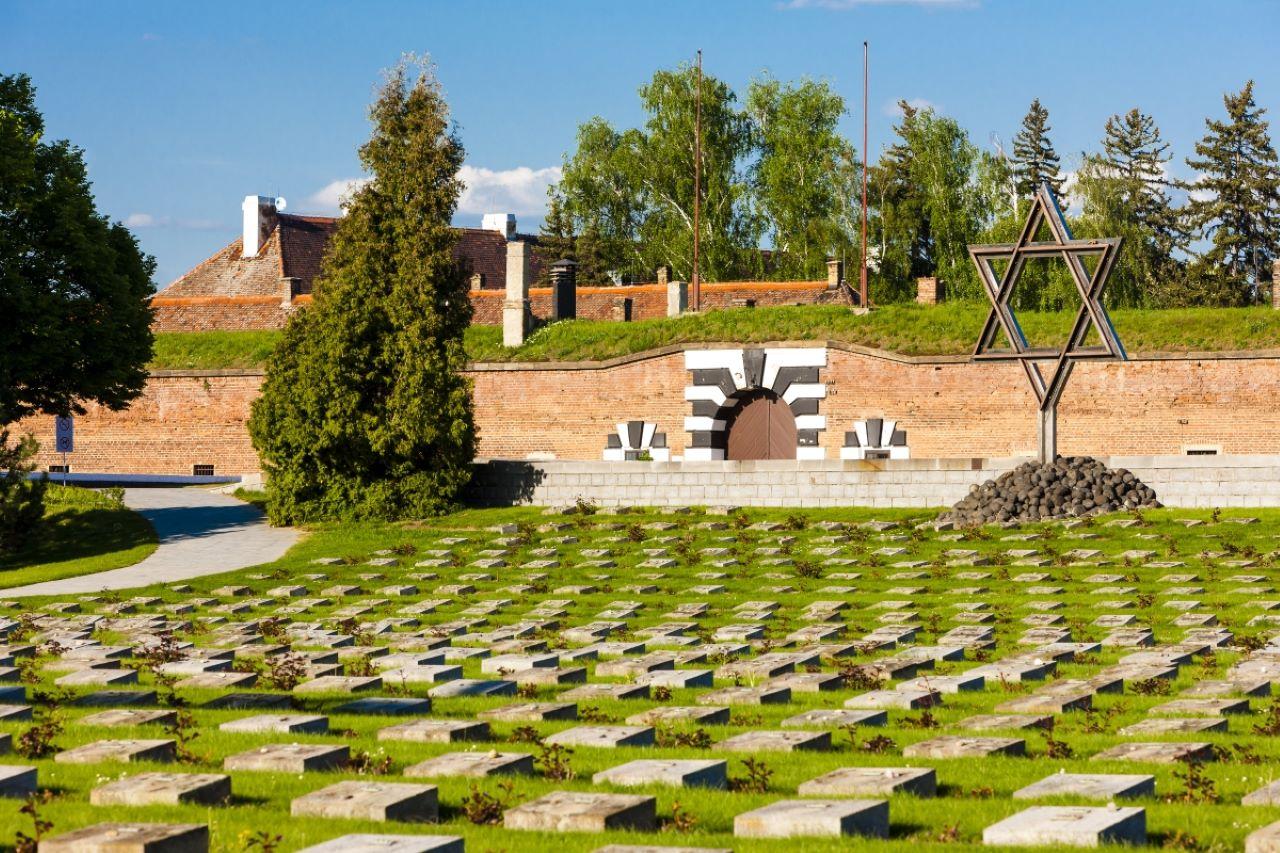
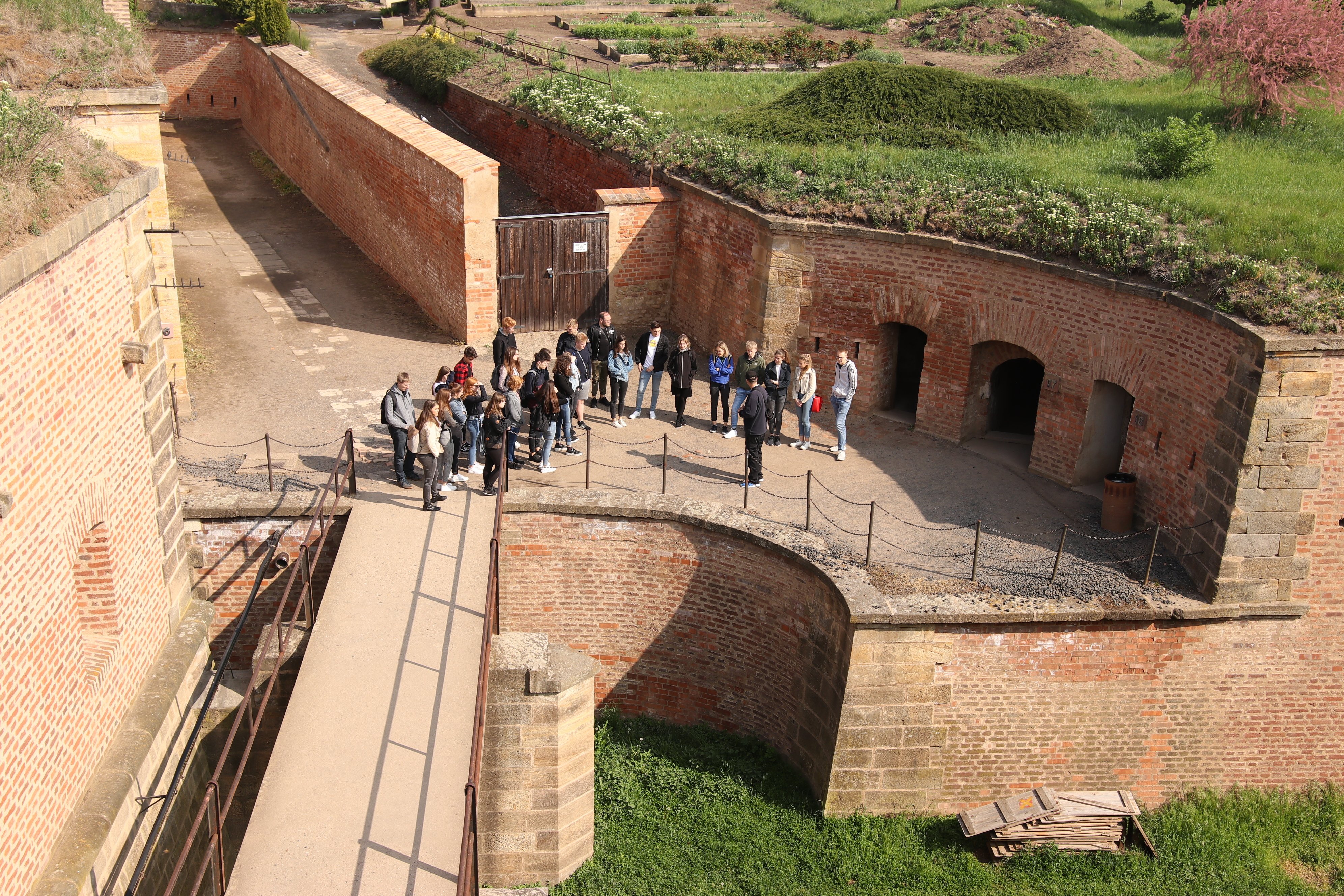
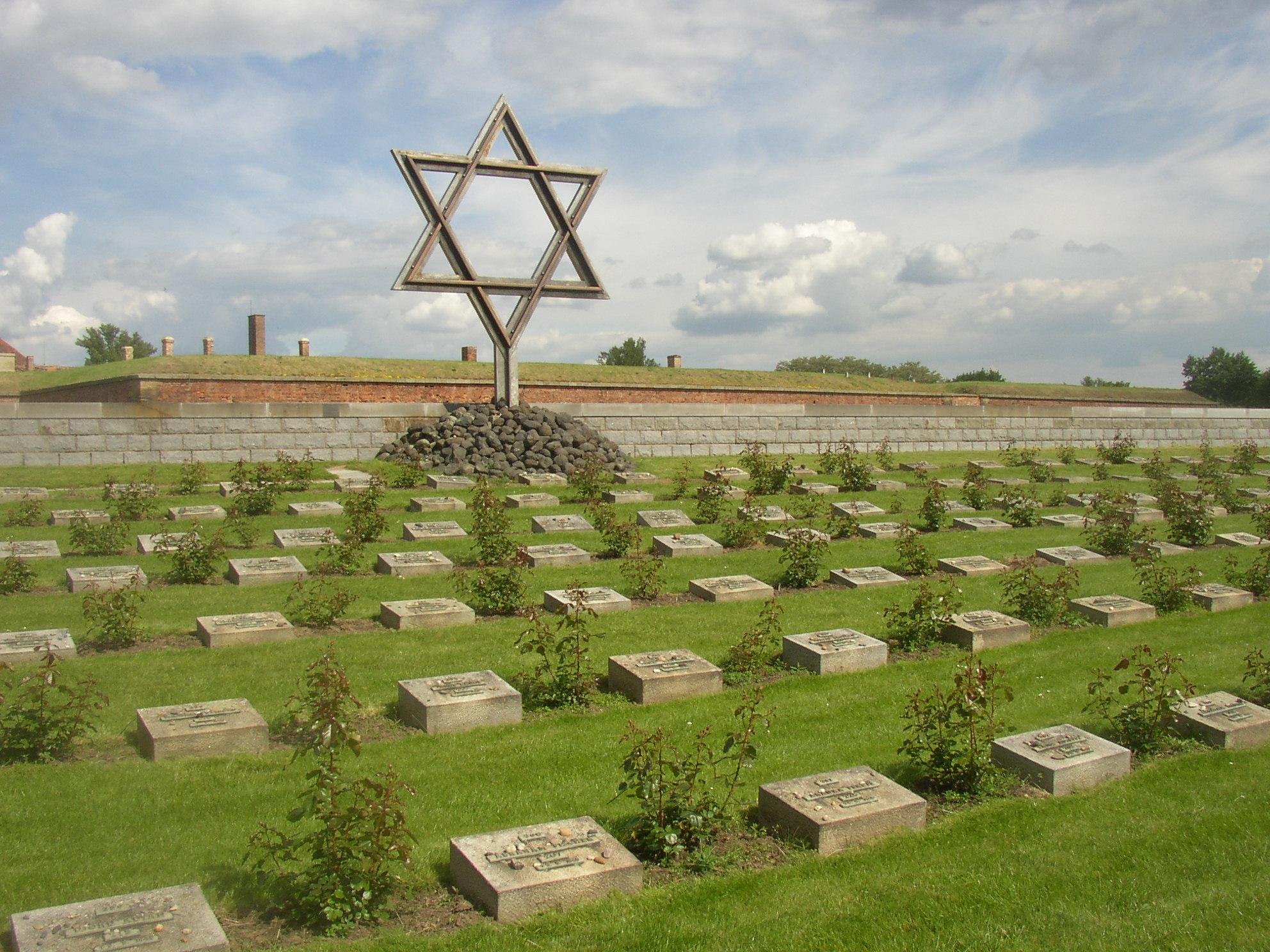
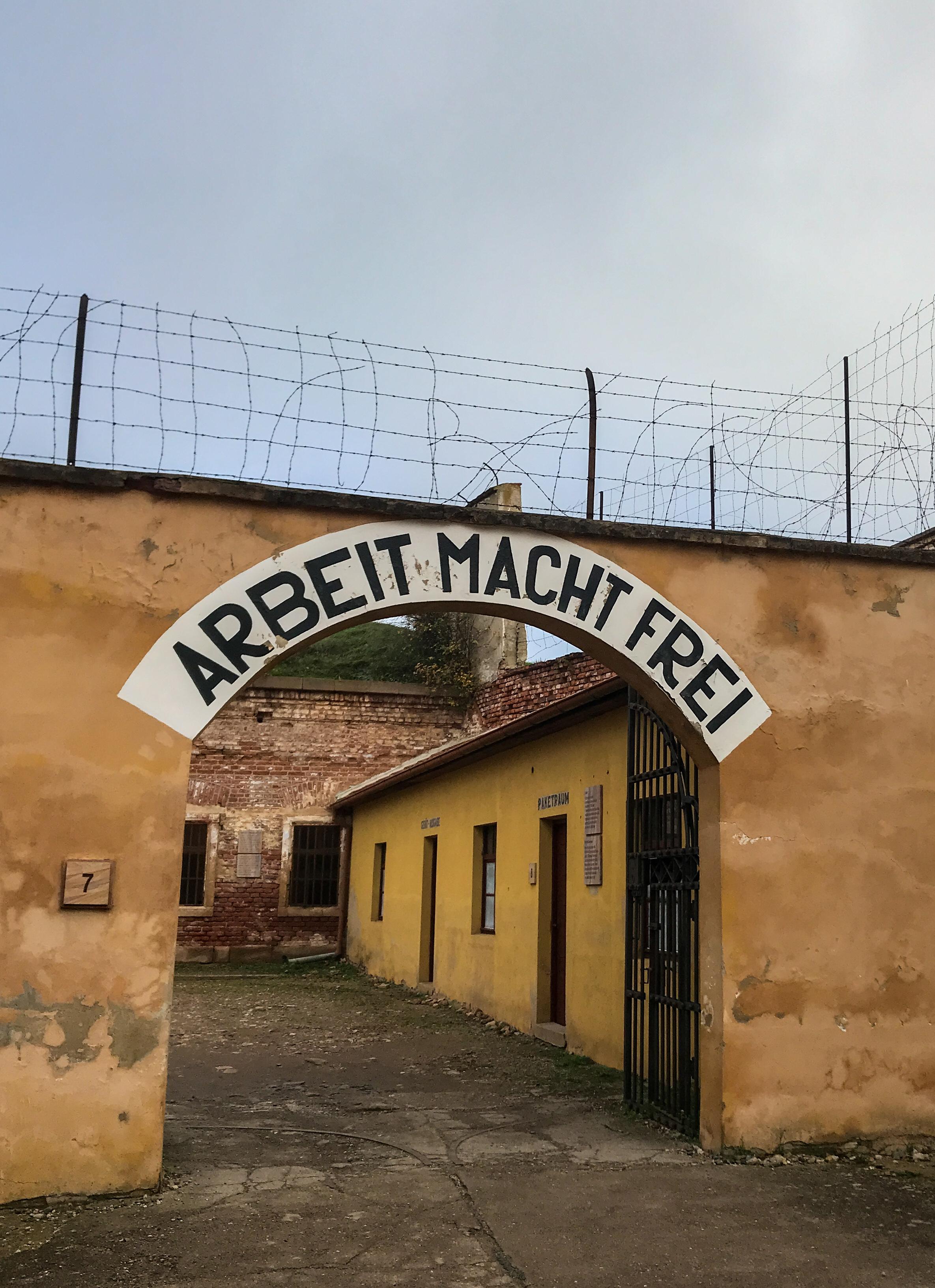
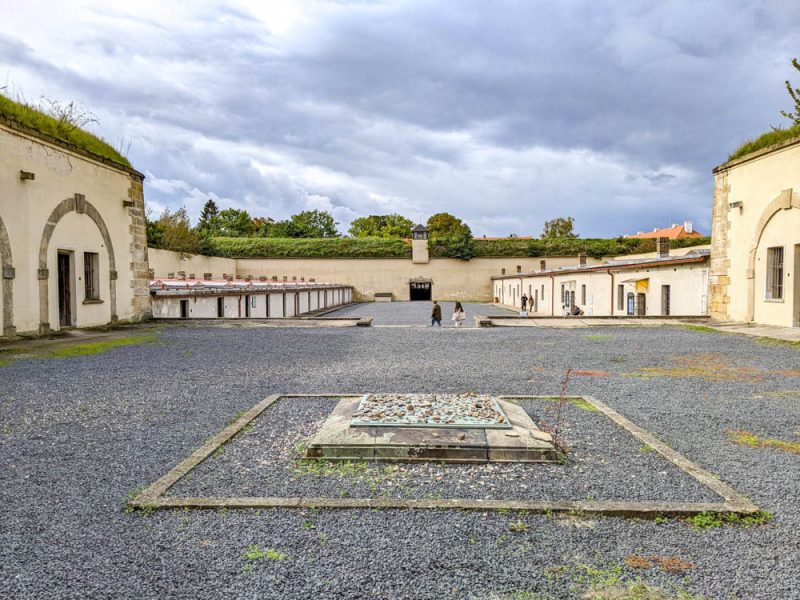
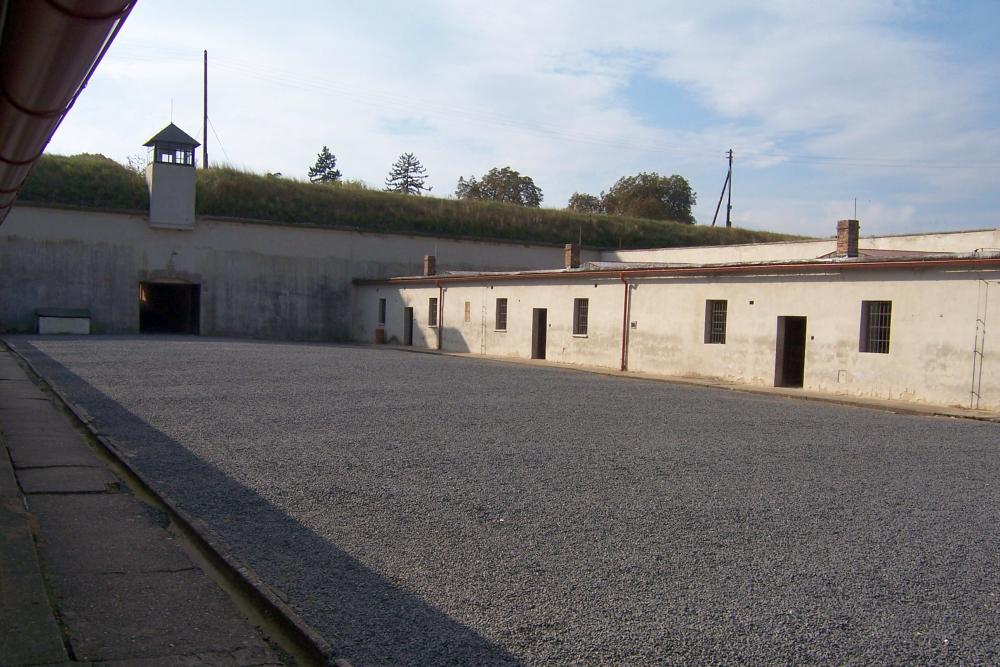
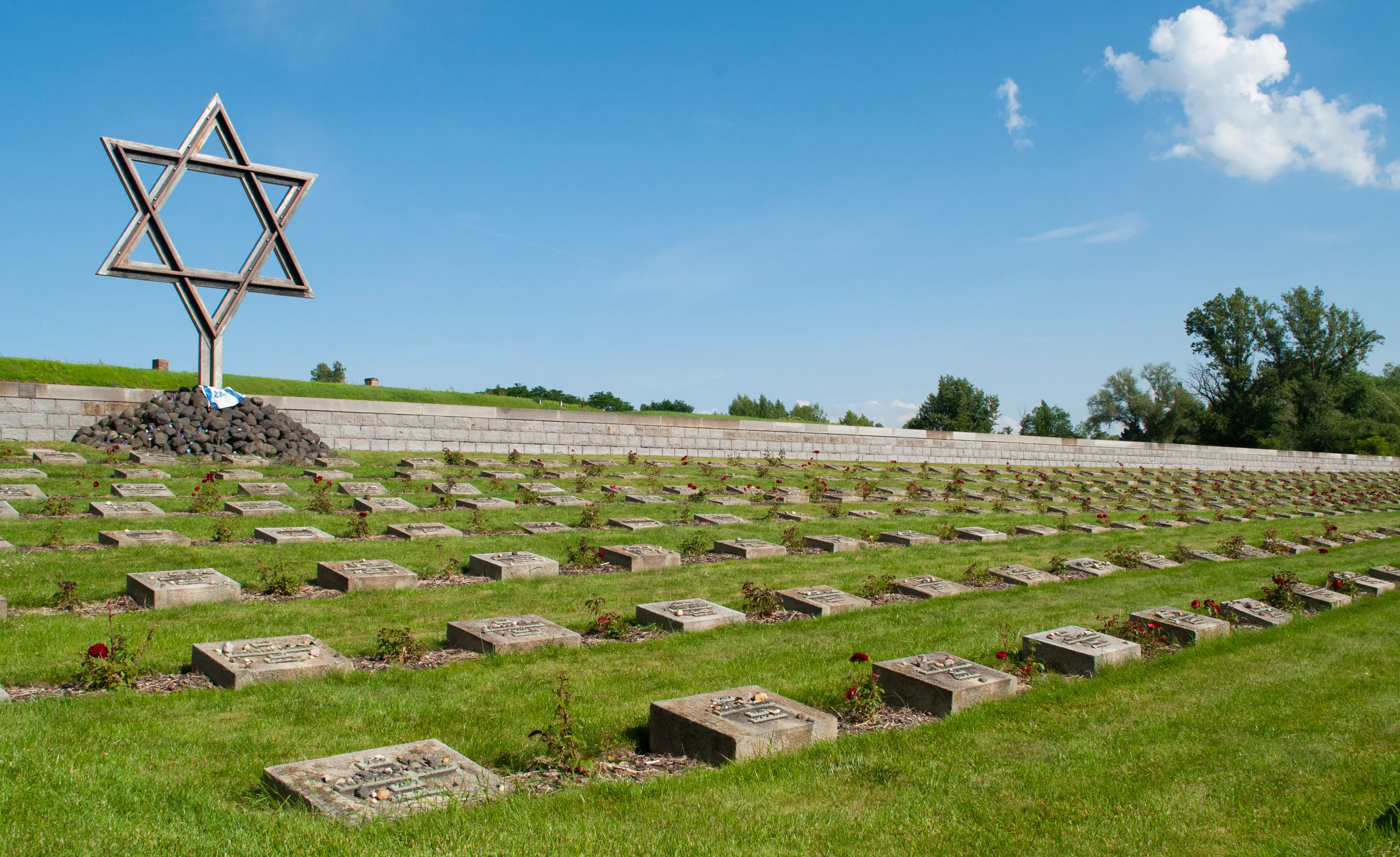
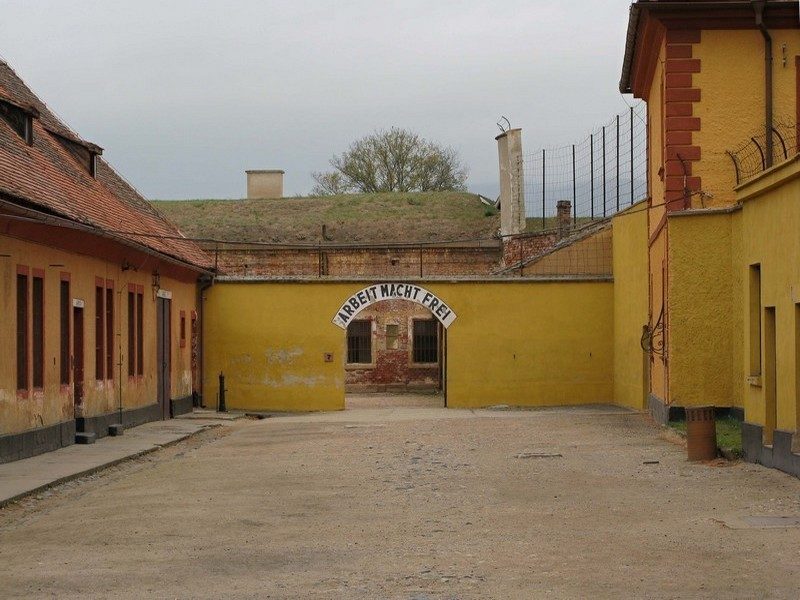
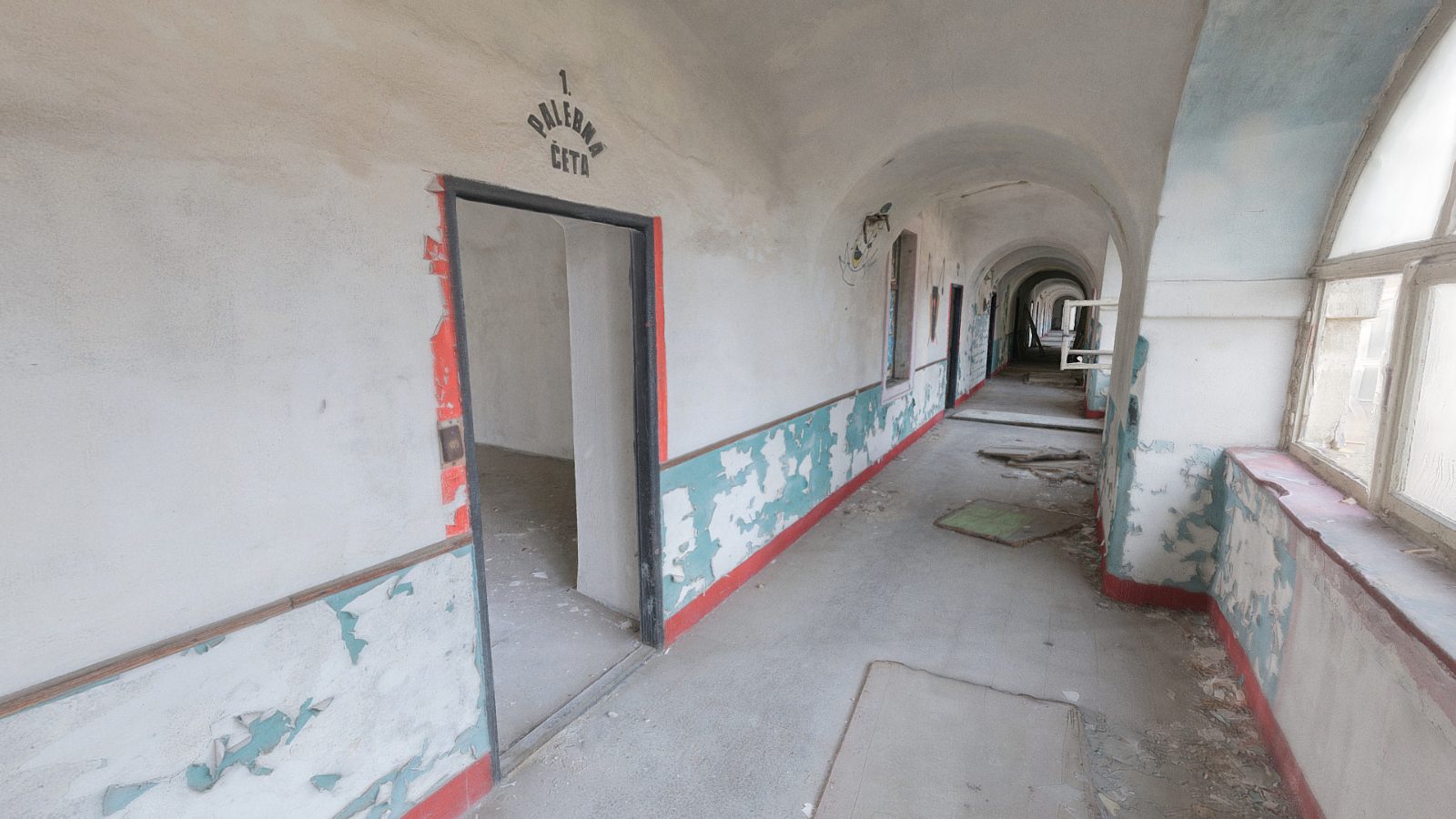
After collecting your combined entry pass, you cross the moat bridge into the Small Fortress, where a cobbled courtyard funnels you past the Arbeit Macht Frei gate replica and into the first cell block. You move slowly through narrow corridors, reading placards in English and Czech, pausing at the windowless isolation cells where prisoners scratched names into plaster. The execution yard lies behind a low wooden fence; beyond it, a hillside mass grave marked by a single Star of David.
You return to the town center and enter the Ghetto Museum, a quieter, more meditative space. Vitrines hold children's drawings, faded concert programs, and letters never sent. You climb to the second floor, where a film loop plays interviews with survivors, their voices steady, their memories precise. In the final room, a wall-sized map tracks deportation transports eastward, each line ending at Auschwitz, Treblinka, or Sobibor. You step outside into the square, where the former barracks now house a café and bookstore, and you realize the afternoon has passed. The railway siding and crematorium remain; you walk the gravel path in silence, completing the circuit as the sun slants low across the fortifications.
All the details about your upcoming adventure in one place
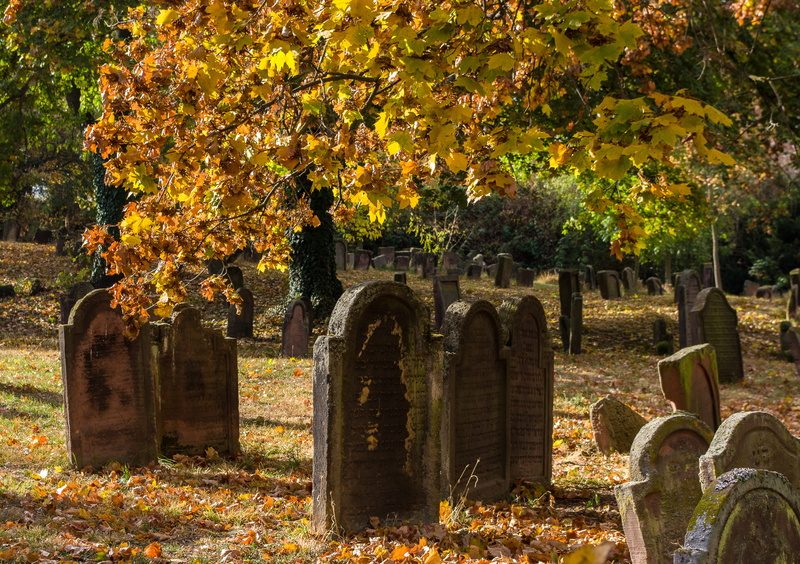
Secure terezin concentration camp tickets to explore the former Theresienstadt ghetto-camp, now a national memorial preserving the memory of Holocaust victims. Your entry includes access to the Small Fortress, Ghetto Museum, and Magdeburg Barracks, where exhibits document the camp's history through artifacts, testimonies, and restored dormitories. Many visitors combine terezin concentration camp tickets tours with guided walks through the fortification walls and Jewish cemetery.
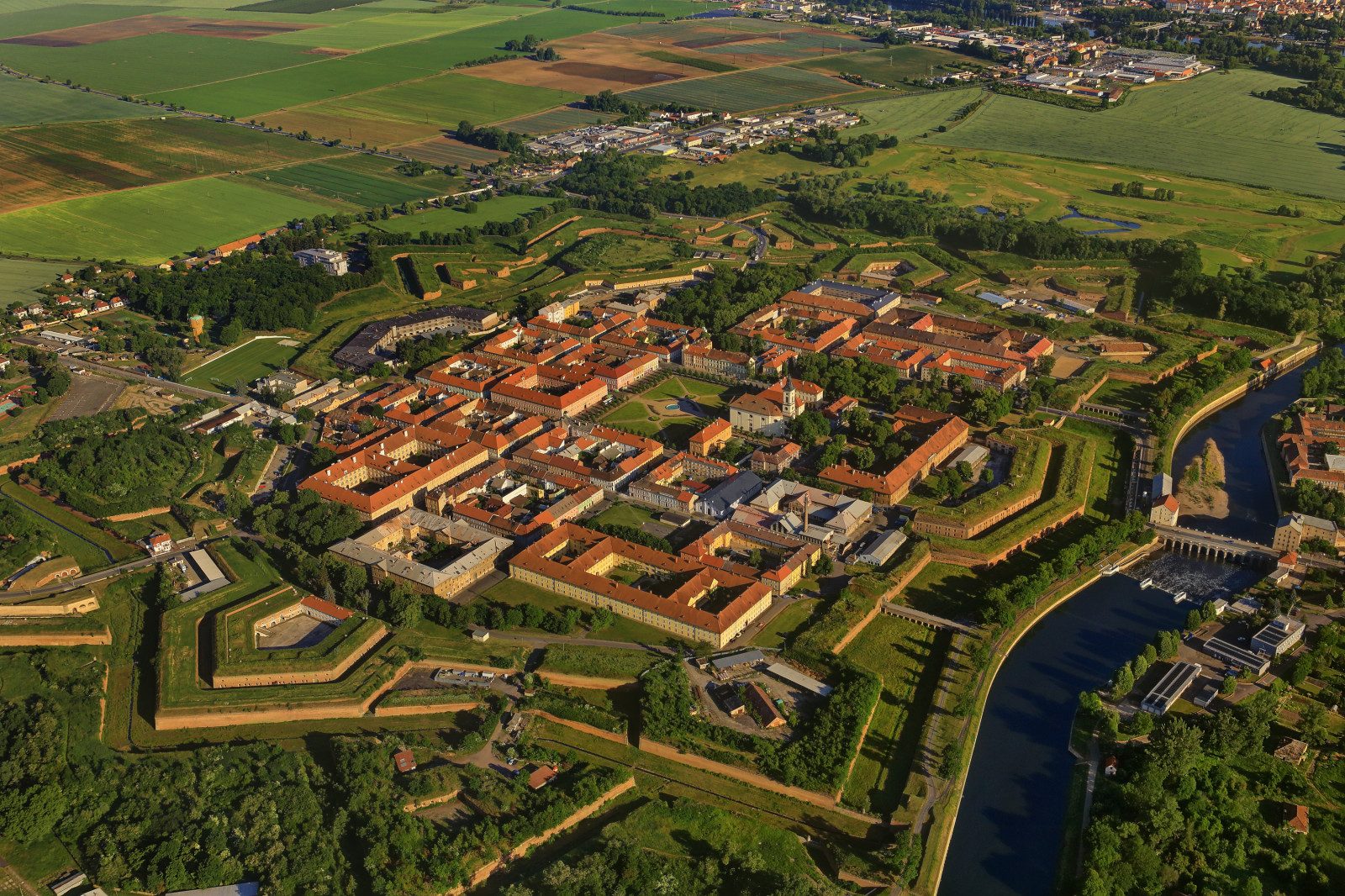
Between 1941 and 1945, the 18th-century Habsburg garrison town of Terezín became Theresienstadt, a Nazi transit ghetto through which 150,000 Jewish prisoners passed. Roughly 35,000 died within the town's walls; another 88,000 were deported to extermination camps in occupied Poland.
Today the Terezin Memorial preserves two principal sites: the Small Fortress, originally a political prison where Gavrilo Princip died in 1918, repurposed by the Gestapo as a detention and torture facility, and the Ghetto Museum, housed in a former boys' school that documents daily life, cultural resistance, and the propaganda machinery of the so-called "model ghetto."
Terezin concentration camp tickets provide combined access to both complexes, each essential to understanding the dual function of Theresienstadt as both holding pen and theatrical deception. The Small Fortress's cramped solitary cells, execution grounds, and mass graves stand in stark contrast to the town center, where prisoners mounted operas, published a clandestine magazine, and taught thousands of children in secret schools, all while Red Cross inspectors toured sanitized facades. The Ghetto Museum displays children's drawings from Friedl Dicker-Brandeis's art classes, letters written on smuggled scraps, and the films and photographs the SS staged to conceal systematic starvation and disease.
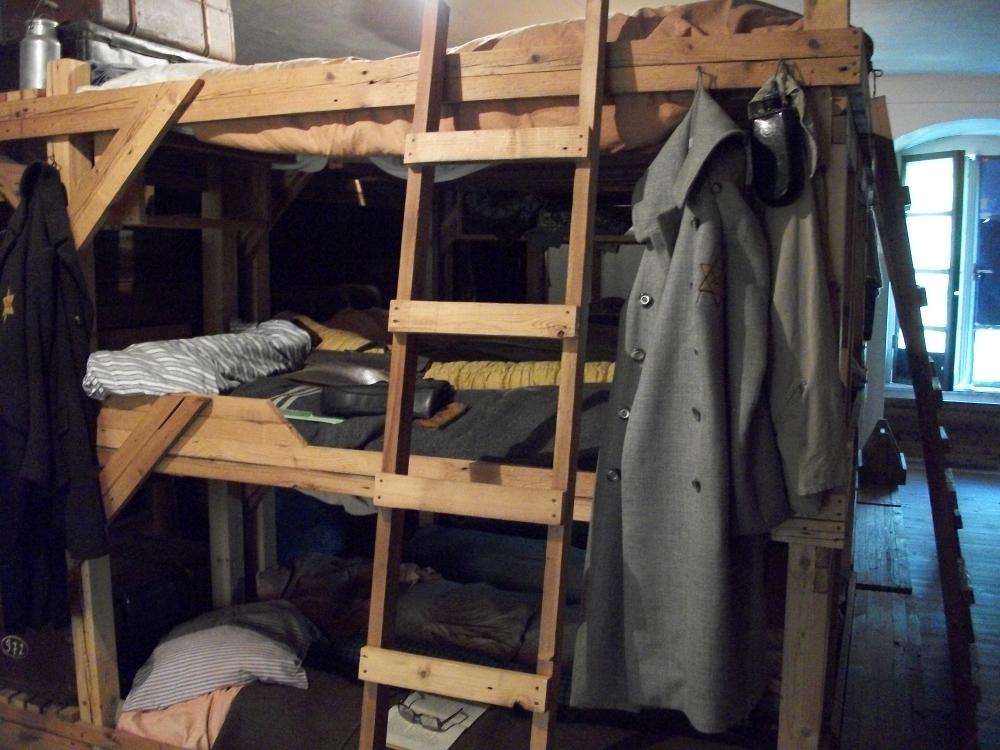
Architecturally, the site retains its original Josephine fortification layout: angular bastions, vaulted casemates, and a moat now overgrown with grass. The former Magdeburg barracks hold permanent exhibitions on the Terezin concentration camp tour narrative, including artifacts recovered from hidden caches and testimonies recorded in the 1960s. A reconstructed dormitory shows triple-tiered bunks where up to 60 prisoners slept in a room designed for 30 soldiers. The crematorium, railway siding, and Jewish cemetery lie within walking distance, forming a somber circuit that requires most of a day to absorb.
Theresienstadt concentration camp Terezín tickets include entry to both the fortress and museum, and visitors typically allocate six to seven hours to traverse the grounds, view the exhibitions, and walk the perimeter path. The memorial operates as a national monument under Czech state administration, with no commercial tours originating on-site, though many visitors arrive via organized Terezin concentration camp from Prague train tickets or guided departures that include historian-led commentary during the 60-kilometer journey north.

35,000 died within the town's walls; another 88,000 were deported to extermination camps in occupied Poland.
Visitors should dress modestly out of respect for the victims. Clothing should cover shoulders and knees, and comfortable, closed-toe walking shoes are highly recommended for the uneven surfaces.
The Ghetto Museum provides a cloakroom for bags. Large luggage should be left at your accommodation in Prague as no secure lockers for large items are available at the site.
Personal photography is permitted in most outdoor areas and select exhibitions. Always follow posted signs regarding flash photography or total restrictions, and maintain a respectful, non-intrusive demeanor.
The memorial is open to families, though the content is deeply solemn. Many educators suggest that children aged 10 and older may better grasp the historical context of the site.
The Ghetto Museum and Magdeburg Barracks offer improved access for visitors. The Small Fortress remains challenging, with limited accessibility for those with mobility aids due to the historic, unpaved nature of the grounds.
There are no dining facilities within the memorial grounds. Visitors may bring water and snacks for consumption in outdoor areas, or utilize cafes located in the surrounding town of Terezín.
Opening hours
09:00–17:00
Address
Principova alej 304, 411 55 Terezín, Czechia
Site accessibility
Limited accessibility in Small Fortress
Best arrival
09:00–12:00
Storage
Ghetto Museum cloakroom available
Site visit
Plan for 6-7 hours
Public transport · 60 mins · Budget-friendly
Bus from Prague Holesovice station to Terezín takes approximately 60 minutes.
Car · 45 mins · Parking fees apply
Follow Route 8 north from Prague to Terezín, approximately 60 km.
Check your specific provider for details. The official entrance fee is 310 CZK for a combined ticket.
Recommended time
6-7 hours
To experience the site thoroughly, visitors should allocate a full day for both the Small Fortress and Ghetto Museum. Securing your terezin concentration camp tickets early allows you to navigate the historical barracks and crematorium before peak bus tour arrivals. We recommend a morning start to ensure you have sufficient time to reflect on the exhibitions throughout this significant Czech landmark without feeling rushed by afternoon queues, especially when utilizing terezin concentration camp tickets tours for guided context.
Crowd levels through the day
Weather · crowds · average price — dots go green to amber to red as each metric rises.
Mild temperatures and thinner crowds facilitate walking the entire distance between sites.
Expect more visitors during peak holiday months; bring water as outdoor areas are unshaded.
Comfortable weather for exploring the expansive grounds and outdoor memorials.
Indoor exhibitions remain accessible, though outside areas are colder and require warm layers.
Visit during the early arrival window of 09:00–12:00 to avoid large group tours and have a more contemplative experience.
Purchase a printed guidebook at the ticket desk to enhance your self-guided tour of the site.
Be aware that the prayer room and crematorium have variable 30-minute lunch breaks depending on daily traffic.
Prioritize visiting the Small Fortress and Ghetto Museum with your 310 CZK ticket for a comprehensive understanding.
Avoid loud conversations and maintain a quiet pace throughout the indoor and outdoor exhibits.
Principova alej 304, Terezín
Main visitor center and ticketing
Get directionsThe fortress at Terezín was commissioned by Emperor Joseph II in 1780 as part of a defensive line against Prussian expansion. Named after his mother, Empress Maria Theresa, the star-shaped garrison town housed military barracks and a smaller fortification—the Small Fortress—that served as a military prison from 1782 onward. For over a century, political dissidents and military offenders occupied its cells, including Gavrilo Princip, whose assassination of Archduke Franz Ferdinand in 1914 precipitated World War I. He died there in 1918, one of thousands who passed through its walls during the Austro-Hungarian era. In 1940, the Gestapo converted the Small Fortress into a prison for Czech resistance fighters and political prisoners. By November 1941, the SS had transformed the main garrison town into a Jewish ghetto, displacing the Czech population entirely. The Nazis presented Terezín as a "model settlement," staging a propaganda film in 1944 to deceive the International Red Cross during an inspection visit. Behind this facade, over 140,000 Jewish prisoners from Bohemia, Moravia, Germany, Austria, and the Netherlands passed through the camp. Conditions were brutal: overcrowding, malnutrition, and disease killed approximately 33,000 people on-site. Another 88,000 were deported east to Auschwitz and other extermination centers, where most perished. The camp's artistic and cultural life—concerts, lectures, children's drawings—represented acts of defiance, documented today in the Ghetto Museum. Soviet forces liberated Terezín on May 8, 1945. The Small Fortress became a memorial in 1947, followed by the Ghetto Museum's opening in 1991 after decades of Communist-era neglect. Visitors securing terezin concentration camp tickets tours today encounter preserved barracks, execution grounds, and a crematorium that processed bodies until liberation. The site remains under continual archaeological study, with recent excavations uncovering hidden messages and artifacts. Access through terezin concentration camp tickets enables direct engagement with primary sources—prisoner art, deportation lists, and reconstructed living quarters—that counter historical distortion and denial.
Emperor Joseph II commissions the fortress complex and opens the Small Fortress as a military prison.
Gavrilo Princip, assassin of Archduke Franz Ferdinand, is imprisoned in the Small Fortress and dies there in April 1918.
The Gestapo converts the Small Fortress into a prison for Czech resistance members and political opponents.
The SS establishes the Terezín ghetto, deporting the Czech population and confining over 140,000 Jewish prisoners over four years.
Nazi authorities stage a propaganda film and orchestrated Red Cross visit to present Terezín as a model settlement.
Soviet troops liberate Terezín, finding roughly 17,000 survivors and mass graves containing thousands of victims.
The Small Fortress opens as a national memorial under Czechoslovak administration.
The Ghetto Museum opens in the former school building, displaying prisoner art, documents, and personal testimonies from the camp era.
Dining options within Terezín are limited, so visitors should plan accordingly when using their terezin concentration camp tickets. While small vending machines and basic refreshments are available on-site, travelers often find it beneficial to carry snacks or seek out local bistros during their terezin concentration camp tickets tours.
A highly-rated spot for quick American-style bites and fast food, perfect for a efficient break during your terezin concentration camp tickets tour.
Located near the Ghetto Museum, this café offers a pleasant atmosphere for coffee and light refreshments between your terezin concentration camp tickets tickets.
A local venue providing a variety of Vietnamese dishes, suitable for those looking for a sit-down meal after exploring the Memorial.
A traditional Czech restaurant located centrally, offering a selection of hot meals and drinks for visitors needing a substantial lunch.
Real experiences from real travelers
Visiting the Terezin Memorial provided crucial context about this transit camp's role during World War II. The Small Fortress cells and courtyard remain preserved as they were. Our guide explained the cultural life prisoners maintained despite conditions. The museum archives include drawings and documents that personalize the history. Allow three hours minimum.
The memorial complex is extensive with multiple sites to visit. We toured the barracks where families were held before deportation eastward. The educational exhibits contextualize Terezin within broader Holocaust history. October weather was cool and overcast which felt appropriate. Booking terezin concentration camp tickets in advance let us join the morning guided tour.
The Magdeburg Barracks exhibition documents the deception of the Red Cross inspection visit. Seeing the actual spaces where artists and musicians created work under such duress left a deep impression. The self-guided audio tour covers the fortress fortifications and their wartime use. Photography is permitted respectfully in outdoor areas.
The site preserves multiple buildings including the crematorium and execution grounds. Interpretive signage in English explains the camp's function as a Gestapo prison and transit point. We spent four hours exploring thoroughly. The town itself shows the contrast between the garrison architecture and later use. Consider joining a Prague-based terezin concentration camp tickets tour for transportation.
Arriving early meant fewer crowds in the museum galleries. The timeline exhibition traces the fortress's military history through its transformation into a concentration camp. Survivor testimonies play in several rooms. The children's art exhibit in the former school barracks is particularly affecting. Spring flowers were blooming in the cemetery section.
The defensive walls and moat system date to the 18th century but the memorial focuses on 1941-1945. Our guide discussed the cultural resistance including opera performances and lectures prisoners organized. The Small Fortress tour includes cramped cells and interrogation rooms. Purchasing terezin concentration camp tickets tickets online saved queuing time at the entrance.
The site covers both the Main Fortress town area and the Small Fortress prison. We visited the Ghetto Museum first for historical context before touring the actual prison buildings. The courtyards where morning roll calls occurred are preserved with explanatory markers. Allow time to walk the ramparts for perspective on the fortress layout.
The memorial does excellent work preserving primary sources including prisoner artwork and secret documents. The prayer room reconstruction shows how religious practice continued covertly. We visited on a quiet weekday morning which allowed for contemplation. The bookshop offers detailed historical texts. Terezin lies an hour north of Prague by direct bus.
The fortress architecture itself is impressive from an engineering perspective though its later use overshadows that history. Exhibits explain how propaganda films were made here to deceive international observers. The tour route is clearly marked through multiple buildings. Arriving with some background knowledge enhanced our understanding of the complex narrative.
The memorial staff maintain the site with appropriate gravity and educational focus. We joined an afternoon guided walk that covered the transportation tracks, housing blocks, and execution yard. The archives preserve thousands of individual stories. Visiting helps ensure this history is not forgotten. Book terezin concentration camp tickets tours through reputable providers for knowledgeable guides.
Everything you need to know for your journey
The Terezin Memorial is open daily from 09:00–17:00.
There is no formal dress code, but we ask that visitors wear modest clothing out of respect for the memorial.
Large bags are not permitted, but the Ghetto Museum offers a cloakroom for smaller items.
Photography is allowed in most areas, but please follow signs regarding flash and be respectful of the memorial space.
The entrance fee is 310 CZK for a combined ticket per adult.
Most areas are accessible, though the Small Fortress has limited accessibility in certain historic sections.
Food and drinks are not allowed inside buildings; please enjoy them in the surrounding town of Terezín.
You can purchase terezin concentration camp tickets directly at the ticket office upon arrival at the Terezin Memorial.
The best arrival window is 09:00–12:00 to avoid crowds and ensure enough time for your visit.
Yes, you can visit all sites independently using a guide map or by purchasing a guidebook on-site.
A full visit to the Terezin Memorial takes 6-7 hours to explore all sites thoroughly.
Yes, families are welcome, though the subject matter is mature and best suited for children aged 10 and older.
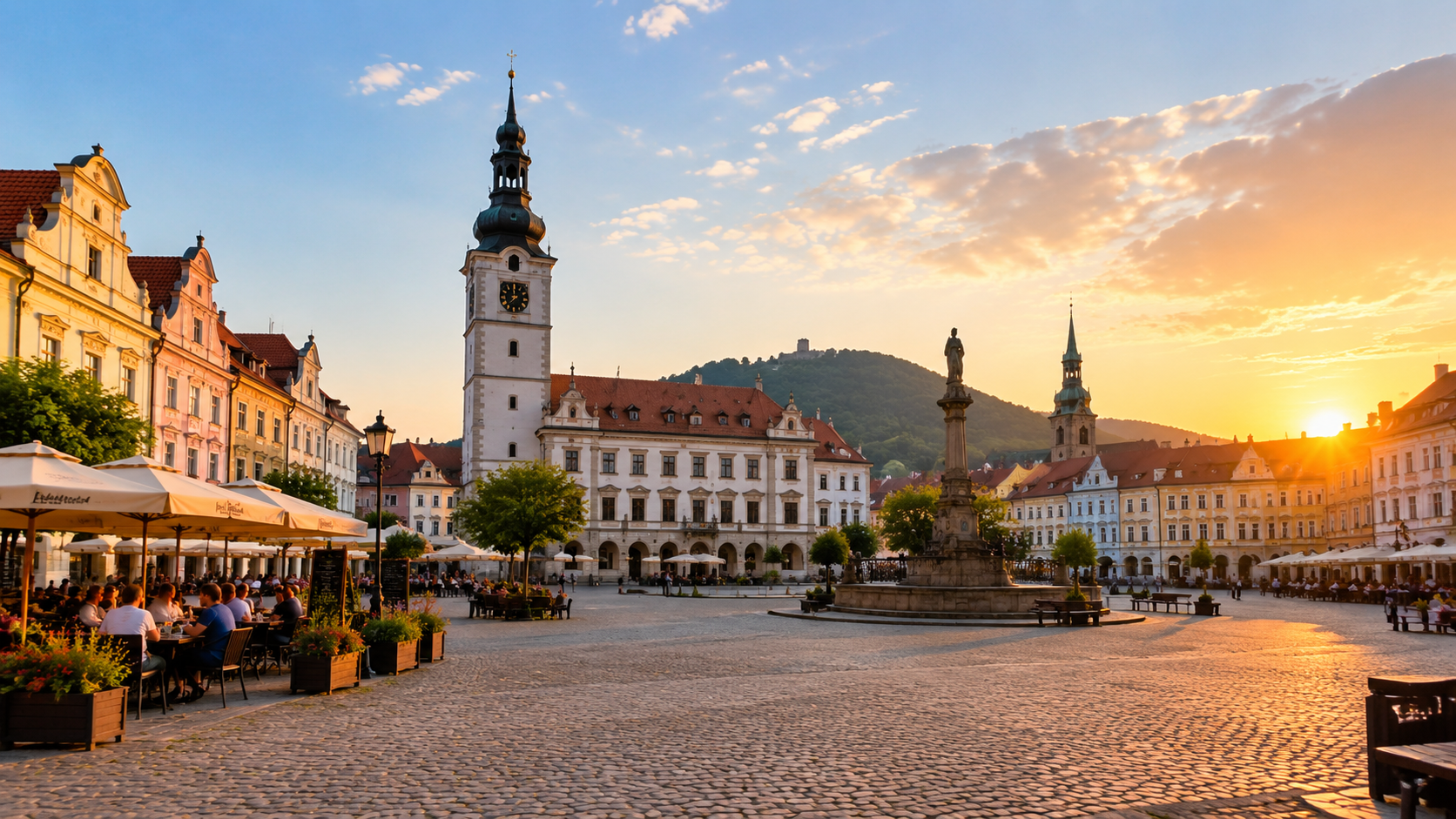
Historical square with local cafes and architecture
Scenic path near the memorial grounds
Nearby transit connection for regional travel
Local stay within the town fortress walls
Charming historic hotel in the nearby city center
Primary hub for most visitors to the memorial
Join thousands of happy travelers who have discovered this incredible experience
Book Your Experience Now