4 hr 30 min
Terezín Concentration Camp Half-Day Trip with Audio Commentary
- Expert local guide
- Small group
- Skip-the-line access
- Free cancellation
Terezin Memorial — Half-Day Tours & Guided Visits from Prague
Where history endures in silence, an hour north of the capital
Compare fares, pick the fit — all bookings are mobile-voucher and eligible for free cancellation where shown.
4 hr 30 min
5 hr
6 hr
| Experience | Duration | Rating | Skip-the-line | Guide | Small group | Free cancel. | Price | |
|---|---|---|---|---|---|---|---|---|
|
Guided Experience
Most popular
Terezín Concentration Camp Half-Day Trip with Audio Commentary
|
4 hr 30 min | ★ 4.6 | ✓ | ✓ | ✓ | ✓ | €55 | Book → |
|
Guided Experience
Terezin Concentration Camp Guided Tour from Prague
|
5 hr | ★ 4.4 | ✓ | ✓ | ✓ | ✓ | €63 | Book → |
|
Guided Experience
Terezin Memorial and Concentration Camp Tour from Prague
|
6 hr | ★ 4.5 | ✓ | ✓ | ✓ | ✓ | €59 | Book → |
Worth it for the depth and guidance
A terezin concentration camp tour from prague removes the emotional and logistical burden of navigating one of Europe's most complex memorial sites independently. The Small Fortress, Ghetto Museum, and former barracks sprawl across multiple buildings with no linear path—most first-time visitors miss key exhibits or struggle to contextualize what they see without expert commentary. Guided tours typically include round-trip transport, avoiding the coordination of buses or trains from Prague, and provide historical framing that transforms artifacts and architecture into coherent testimony. Independent entry costs 310 CZK, but the educational gap is significant: guides clarify the distinction between Terezín as transit camp and propaganda tool, explain the Red Cross deception, and answer questions about daily life under Nazi occupation. The heavy subject matter benefits from structured pacing and shared reflection. For visitors seeking commemorative understanding rather than a checklist stop, terezin concentration camp tour from prague tours justify their cost through depth, not convenience alone.
Bottom line: The interpretive value and logistical simplicity outweigh the price premium for most visitors confronting this history for the first time.
These two significant Holocaust remembrance sites offer different historical perspectives; most visitors who do both call the Terezin concentration camp tour from Prague more comprehensive for understanding the Nazi ghetto system.
|
Top pick Terezin Memorial |
Lidice Memorial | |
|---|---|---|
| Focus | Ghetto and prison history | Village massacre remembrance |
| Distance from Prague | Approx. 40 miles (65 km) | Approx. 12 miles (20 km) |
| Typical Duration | 3–4 hours | 1.5–3 hours |
| Adult Entrance Fee | 310 CZK (combined) | 150 CZK |
| Opening Hours | 08:00–16:30 daily | 09:00–17:00 daily |
| Key Site Features | Small Fortress and Ghetto Museum | Reverent area and Rose Garden |
| Suitability | Deep historical dive | Reflective, shorter visit |
| See tickets & prices |
Verdict: Choose the Terezin Memorial if you want an in-depth study of the Holocaust transit camp experience, while the Lidice Memorial offers a shorter, somber reflection on the tragic annihilation of a single village.
Hand-picked experiences loved by thousands of travelers
6 hours
Free Cancellation
Journey to a former WWII fortress and prison camp with expert guidance and intimate group sizes
7 hours
Free Cancellation
Journey from Prague to the former WWII fortress and ghetto, exploring its haunting history through museums and memorials
5 hours
Free Cancellation
Intimate guided visit to Terezin with an expert historian, exploring hidden corners beyond typical routes
12 hours
Free Cancellation
A profound journey combining WWII history at Terezín with stunning natural landscapes and authentic Czech cuisine
2 hours 30 minutes
Free Cancellation
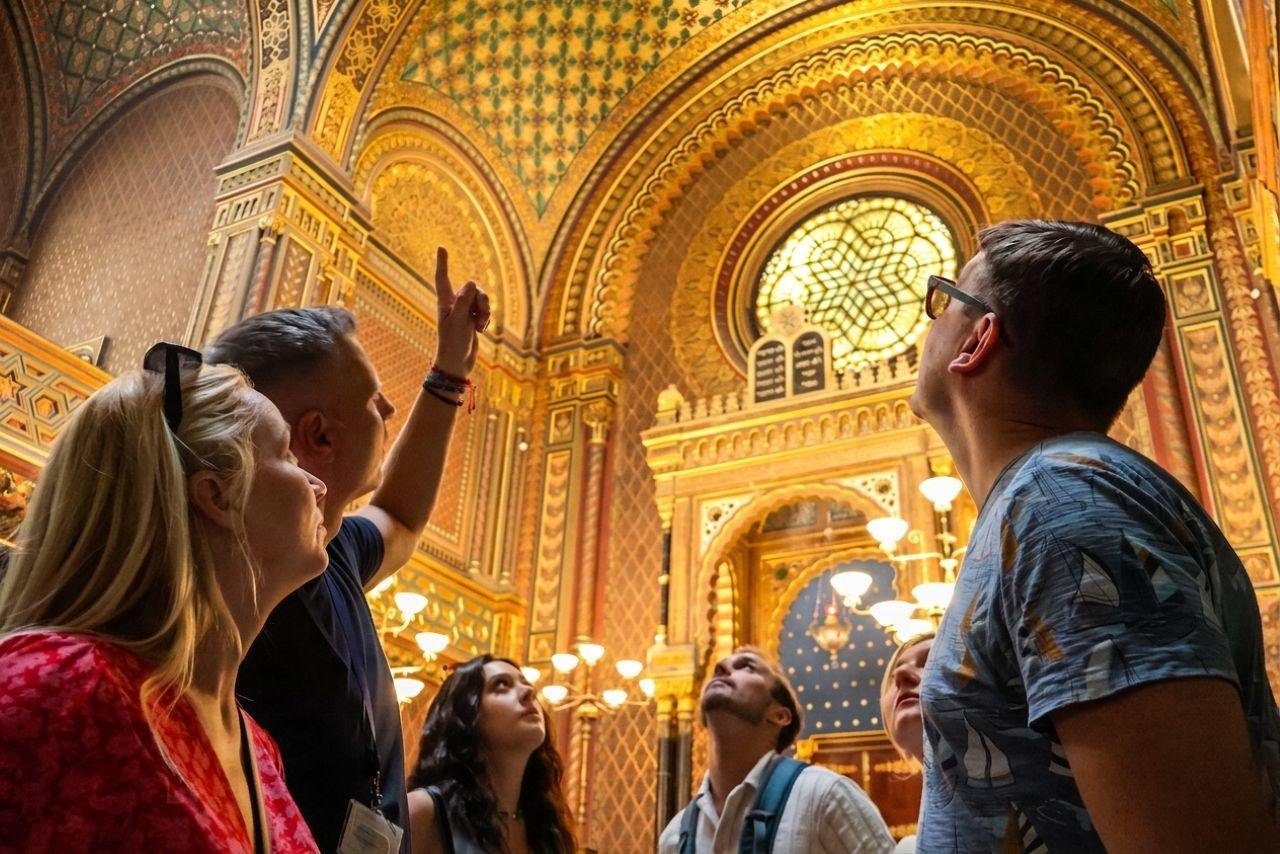
Discover Prague's historic Josefov district with expert-led visits to four synagogues and Europe's oldest Jewish cemetery
2.5 hours
Free Cancellation
Explore Czechoslovakia's communist era and descend into an authentic 1950s fallout shelter with expert commentary.
You board an air-conditioned coach in central Prague shortly after 08:00, traveling northwest through the Bohemian countryside as your guide outlines the fortress's imperial origins and wartime transformation.
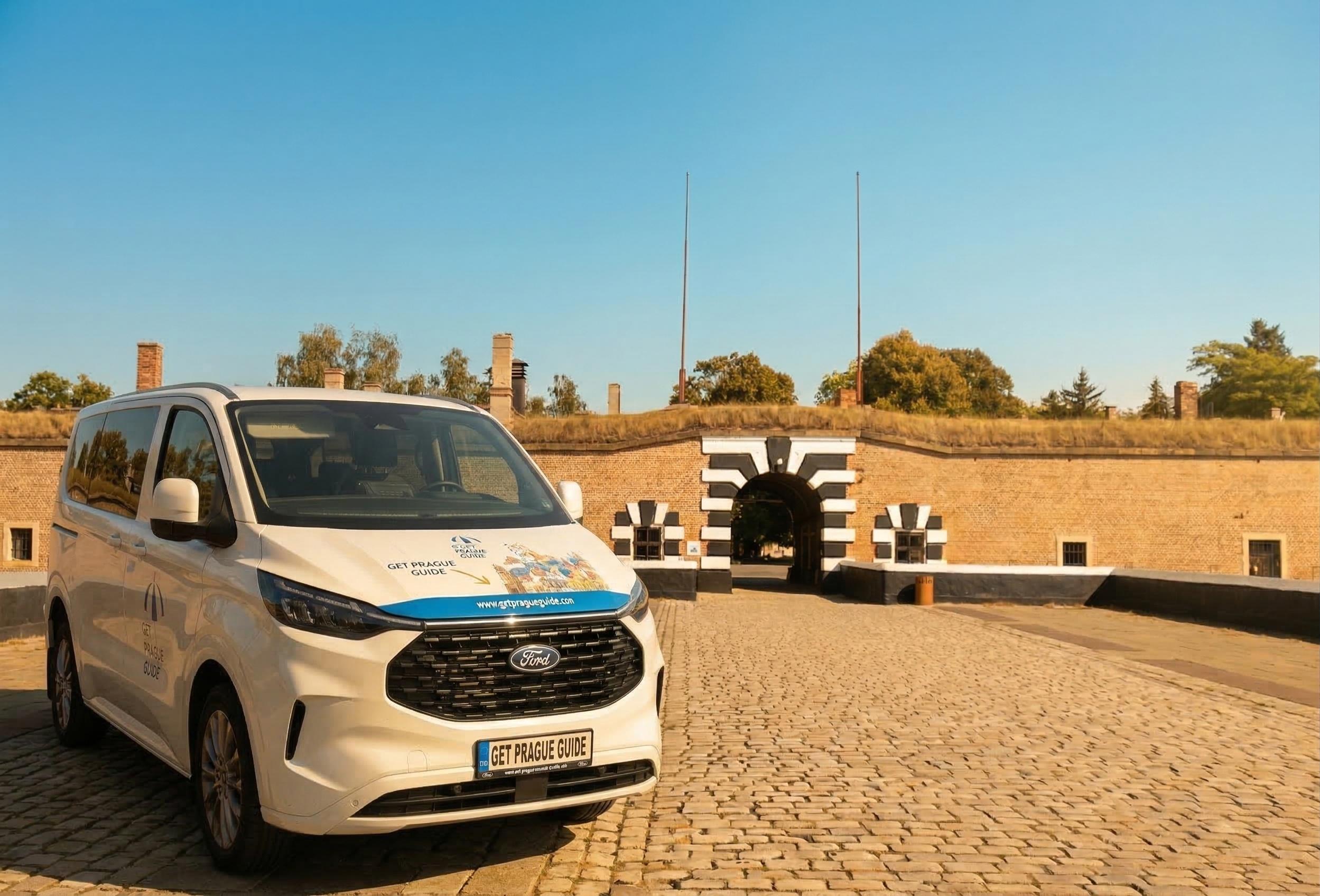
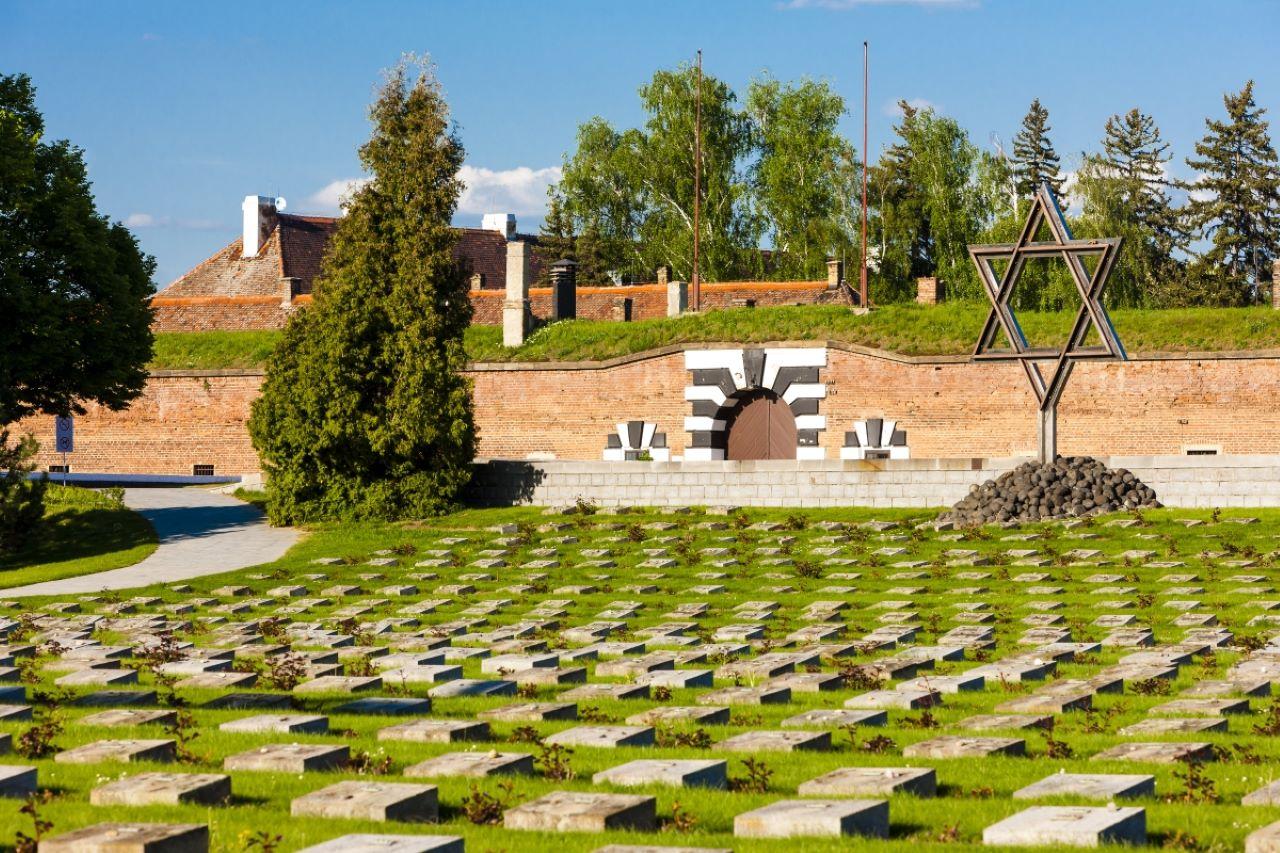
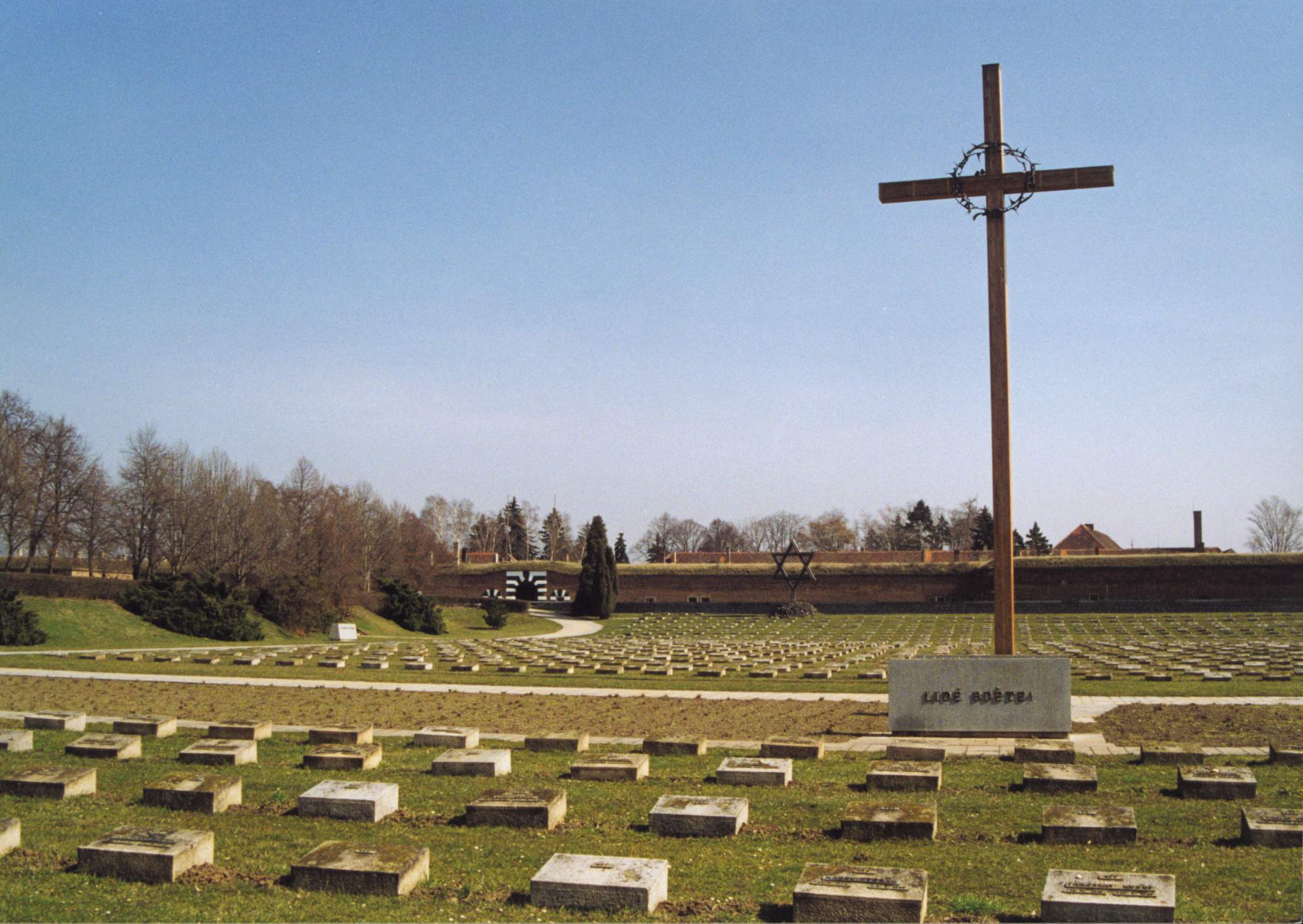
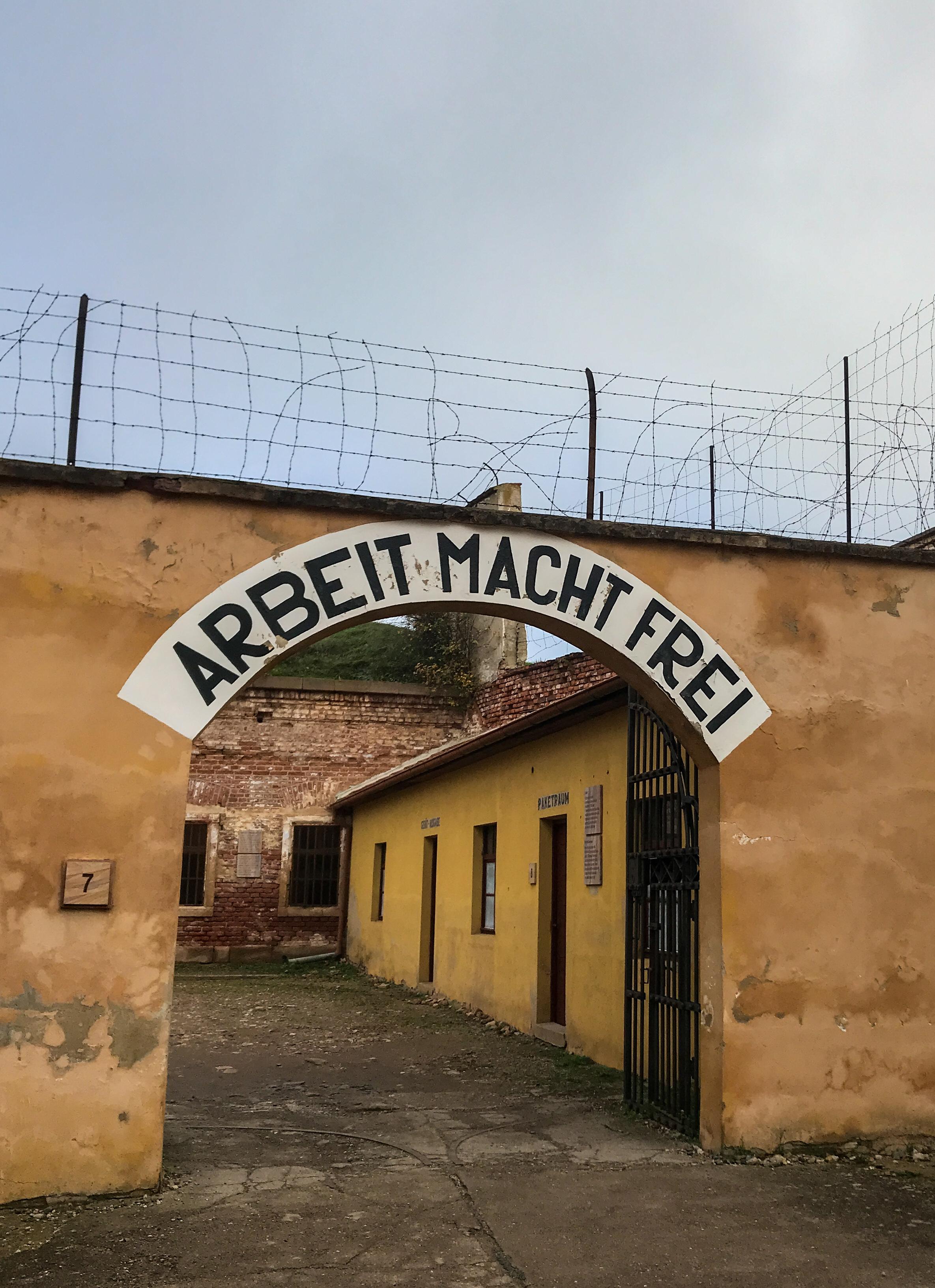
Sixty minutes later you pass through Terezín's arched gateway, the Small Fortress rising ahead with its brick bastions and dry moat. You walk the central courtyard where roll calls assembled thousands in predawn cold, then descend into the isolation cells—narrow stone chambers where prisoners carved names into plaster. Your guide recounts individual testimonies, pausing at the execution yard marked by a wooden memorial cross.
Crossing the Ohře River bridge, you enter the former ghetto and step into the Ghetto Museum's ground-floor galleries. Glass cases hold prisoner identity cards, confiscated correspondence and performance posters from the camp orchestra. Upstairs, the children's art room displays crayon drawings of remembered homes and imagined futures. You climb to the attic dormitory, its triple-tiered bunks recreated from survivor testimony. Outside, you follow the railway track to the deportation memorial, a freight car resting on original tracks. The visit concludes with twenty minutes in the museum bookshop before the return journey to Prague, arriving by early afternoon.
All the details about your upcoming adventure in one place
The fortress town of Terezín was constructed between 1780 and 1790 by Emperor Joseph II as a military garrison, named after his mother Maria Theresa. Its geometric star-shaped ramparts and underground casemates stretched across 150 hectares, housing barracks, ammunition stores and detention cells.
In 1941, the Gestapo converted the Small Fortress into a prison and the entire town into a transit camp—Theresienstadt—holding over 150,000 Jews destined for extermination camps further east. Roughly 33,000 died within its walls from disease, starvation and execution. The Nazis presented Theresienstadt to the Red Cross as a model settlement, filming propaganda that concealed systematic cruelty behind staged cultural performances.
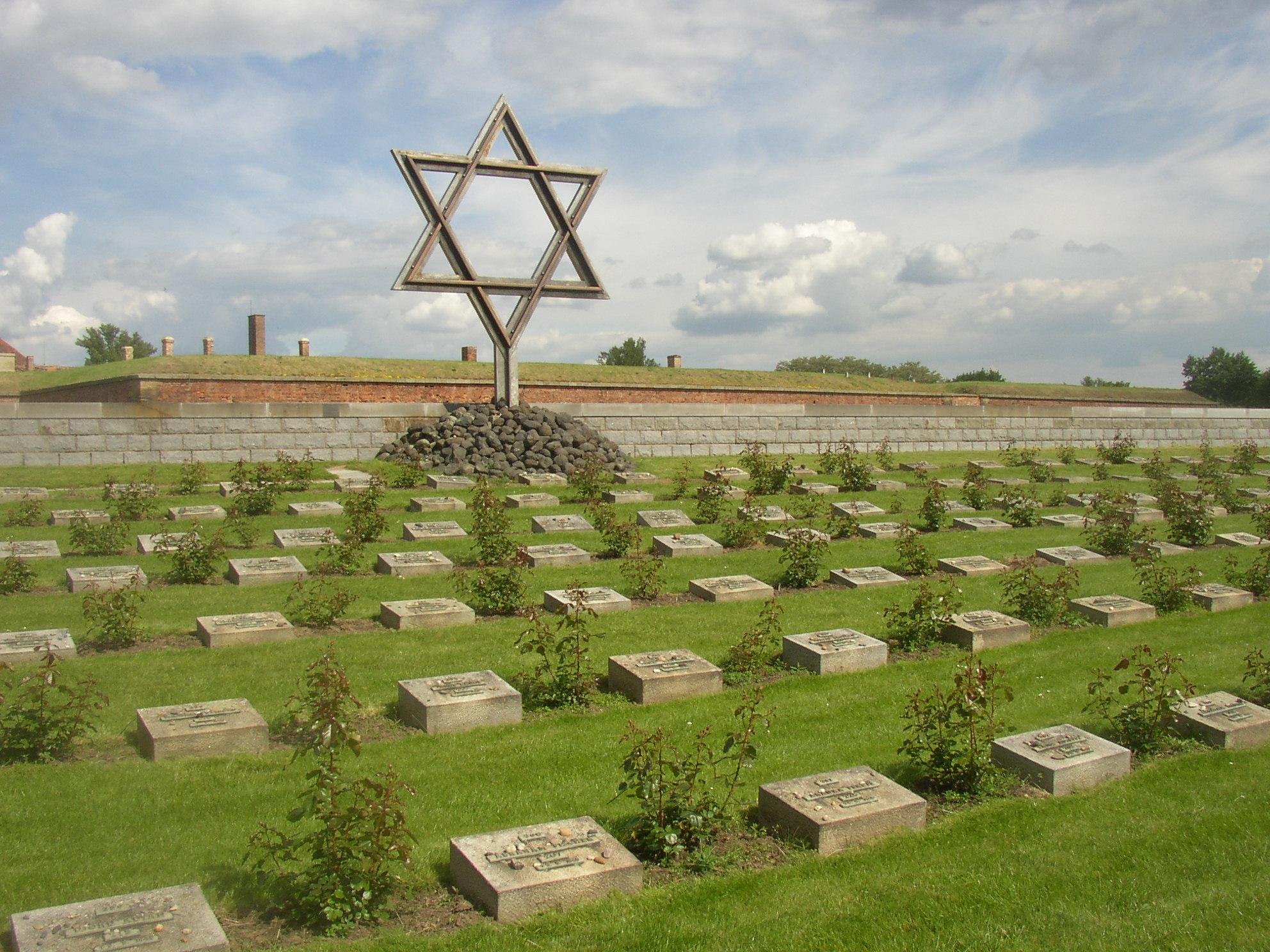
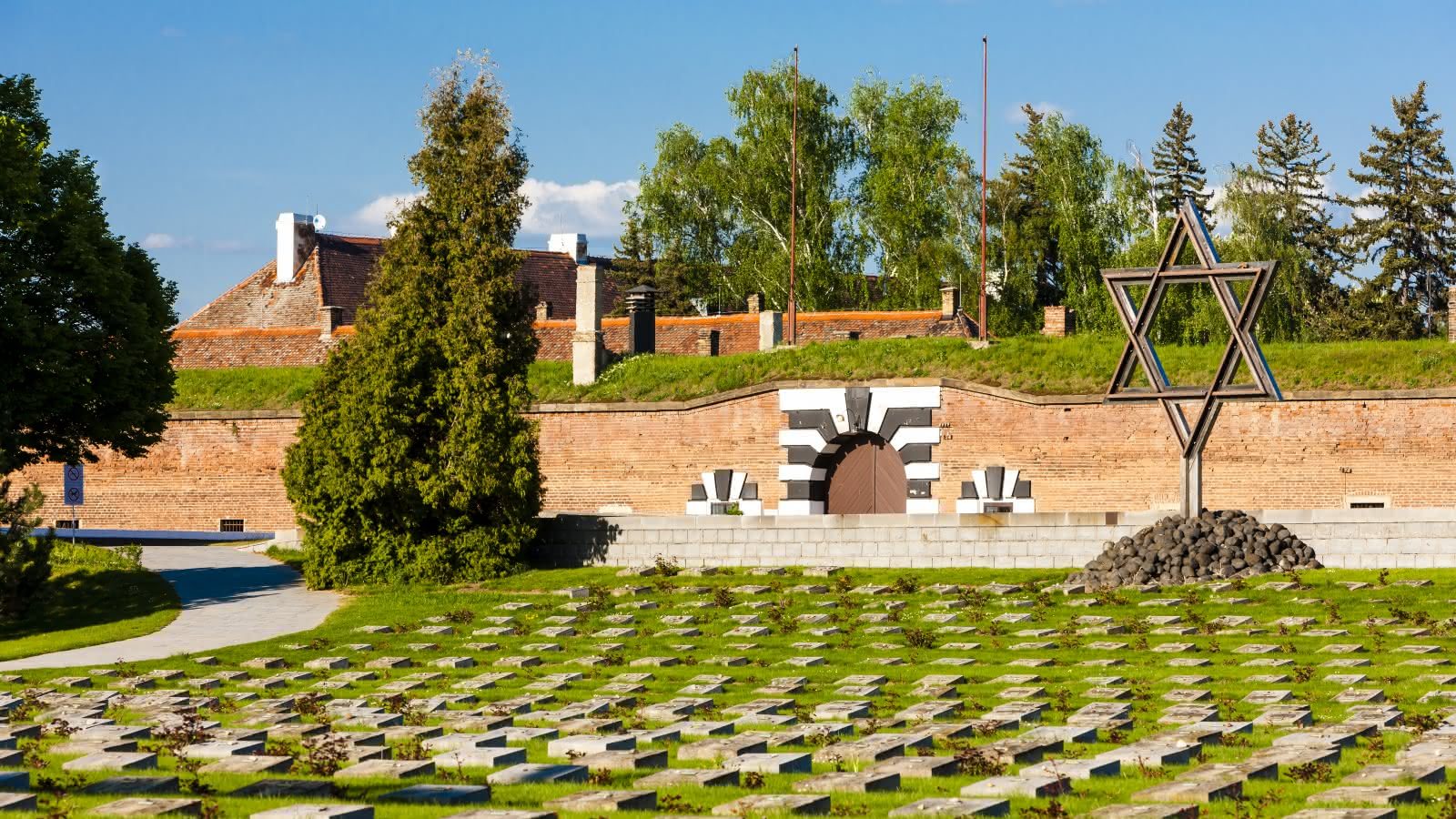
Today the Terezín Memorial preserves the Small Fortress, the Ghetto Museum and several barracks as a UNESCO-protected site of conscience. The museum occupies the former school building where prisoner artists secretly documented camp life in sketches and diaries. Original dormitories display tiered wooden bunks, while the crematorium and execution grounds remain largely unaltered. A reconstructed railway siding marks the deportation point where transports departed for Auschwitz. The memorial draws 250,000 visitors annually, most arriving on half-day excursions from the capital. Historians guide groups through the fortress courtyards, isolation cells and mass graves, explaining the logistics of persecution and the stories of individuals who resisted. The Ghetto Museum holds over 4,500 children's drawings created in secret art classes, evidence of defiance against erasure.
Terezin concentration camp tour from Prague departs throughout the morning, reaching the memorial in under ninety minutes via highway D8. Guided options include historians specializing in Holocaust education, while audio-commentary tours allow self-paced exploration across both fortress and museum. Combined admission to the Small Fortress and Ghetto Museum costs 310 CZK per adult. The site opens daily at 08:00, and early arrival ensures quieter galleries before midday group arrivals. Tours typically allocate three to four hours on-site, sufficient to walk the fortifications, view exhibitions and pause at memorial plaques. The town of Terezín itself remains a functioning municipality of 2,800 residents, its central square flanked by the original garrison church and officers' houses now serving as municipal offices.

Over 4,500 children's drawings survive from secret art classes, evidence of defiance against erasure.
Modest attire is recommended out of respect for the site's solemn history. Sturdy walking shoes are advised for the fort's cobblestone paths and uneven ground.
Security screening is in place at site entrances. Prohibited items that could cause damage or injury are strictly forbidden.
Personal, non-commercial photography is permitted in most areas. Respect the reverent atmosphere of the memorial and refrain from using flash in interior exhibits.
The site is educational but involves heavy themes; parental discretion is advised for younger children. Family-friendly areas include the Park of the Terezín Children.
The Ghetto Museum and town sites are barrier-free. The Small Fortress is partially accessible but may require assistance due to historic, uneven architecture.
Food and drinks are prohibited inside exhibition buildings. Refreshments are available at machines in the Small Fortress or cafes in Terezín town.
Opening Hours
08:00–16:30
Address
Principova alej 304, 411 55 Terezín, Czech Republic
Accessibility
Mostly accessible; Small Fortress requires assistance
Best Arrival
08:00–12:00
Security
Storage available for small bags
Site Scope
3–4 hour multi-site tour
Cancellations are subject to terms defined at time of purchase. Entrance fee is 310 CZK for a combined ticket.
Recommended time
3-4 hours
Planning your time for a Terezin concentration camp tour from Prague requires allocating at least three to four hours to properly explore the Small Fortress and Ghetto Museum. Arriving during the 08:00–12:00 window helps visitors avoid mid-day congestion when larger groups from the city arrive at these memorial sites. You can secure your Terezin concentration camp tour from Prague tickets in advance to streamline entry, while those seeking a more flexible Terezin concentration camp tour from Prague tour may find shorter lines by starting promptly at opening.
Crowd levels through the day
Emperor Joseph II ordered construction of Terezín fortress in 1780, naming it after his mother Maria Theresa. Engineers completed the star-shaped military installation by 1790, designed to defend Habsburg territories against Prussian advances. The fortress never saw battle. By the mid-19th century, the Small Fortress served as a military prison, holding political dissidents including Gavrilo Princip, assassin of Archduke Franz Ferdinand, who died there in 1918. In November 1941, the SS transformed Terezín into a transit ghetto. Reinhard Heydrich selected the site for its rail connections and existing fortifications. The Nazis expelled the Czech population of 7,000 within weeks. Between 1941 and 1945, German authorities deported approximately 144,000 Jews through Terezín. The SS used the ghetto for propaganda, filming a staged documentary in 1944 to conceal extermination operations. Despite brutal overcrowding and disease that killed 33,000 prisoners on-site, cultural life persisted—inmates staged operas, lectures, and children's art classes in hidden corners. Soviet forces liberated Terezín on May 8, 1945. The Czechoslovak government established a national memorial in 1947, opening the Small Fortress museum in 1949 and the Ghetto Museum in 1991. Today, those planning a Terezín concentration camp tour from Prague encounter preserved barracks, execution grounds, and the crematorium alongside extensive archives. The memorial maintains collections of prisoners' artwork and personal effects. UNESCO recognition discussions continue, though political complications have delayed formal designation. Annual visitor numbers exceed 250,000, with guided Terezín concentration camp tour from Prague departures accounting for the majority of international guests. Conservation work proceeds on fragile murals and structural elements damaged by decades of exposure.
Emperor Joseph II commissions Terezín fortress, completed as a star-shaped military installation to defend Habsburg lands against Prussia.
Small Fortress operates as a military prison, holding Gavrilo Princip and other political prisoners during World War I.
SS converts Terezín into a Jewish ghetto and transit camp, expelling 7,000 Czech residents to make room for deportations.
Over 144,000 Jews pass through Terezín; 33,000 die on-site from disease and malnutrition while 88,000 are deported to extermination camps.
Nazi propaganda film shot at Terezín to deceive international observers about conditions in concentration camps.
Soviet Red Army liberates Terezín, finding approximately 17,000 surviving prisoners in severe condition.
Czechoslovak government establishes Terezín Memorial, opening Small Fortress museum in 1949 and Ghetto Museum in 1991.
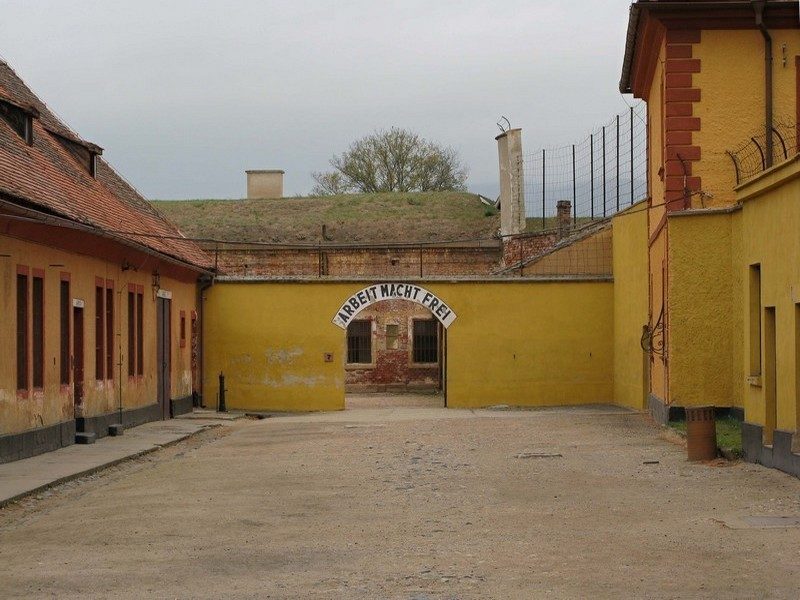
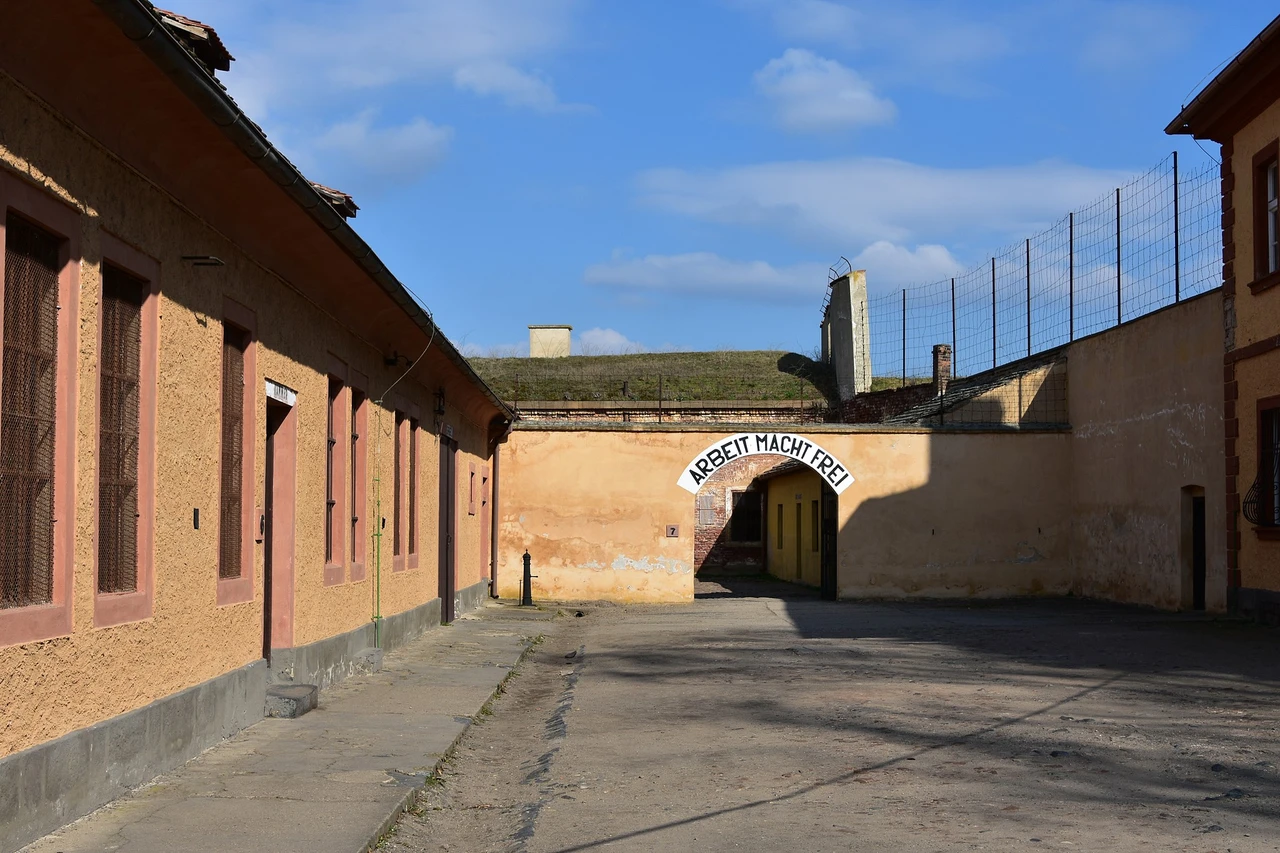
Position yourself outside the entrance to capture the somber masonry and the Arbeit macht frei sign above the archway. This framing provides a historical perspective for those on a terezin concentration camp tour from prague.
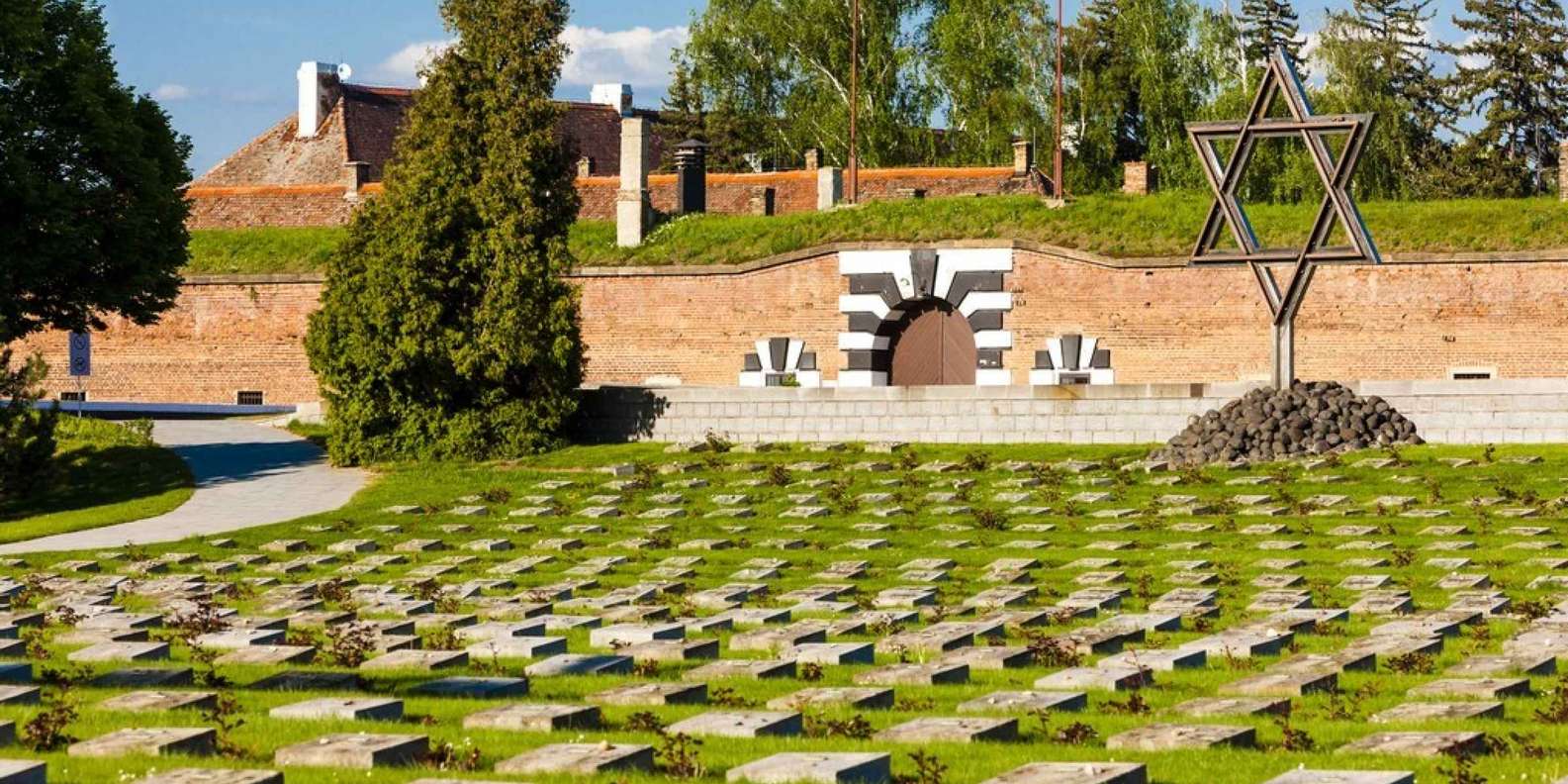
Stand near the perimeter of the courtyard to photograph the stark brick walls where historical executions occurred. The composition emphasizes the oppressive atmosphere of this Pamatník Terezín memorial site.
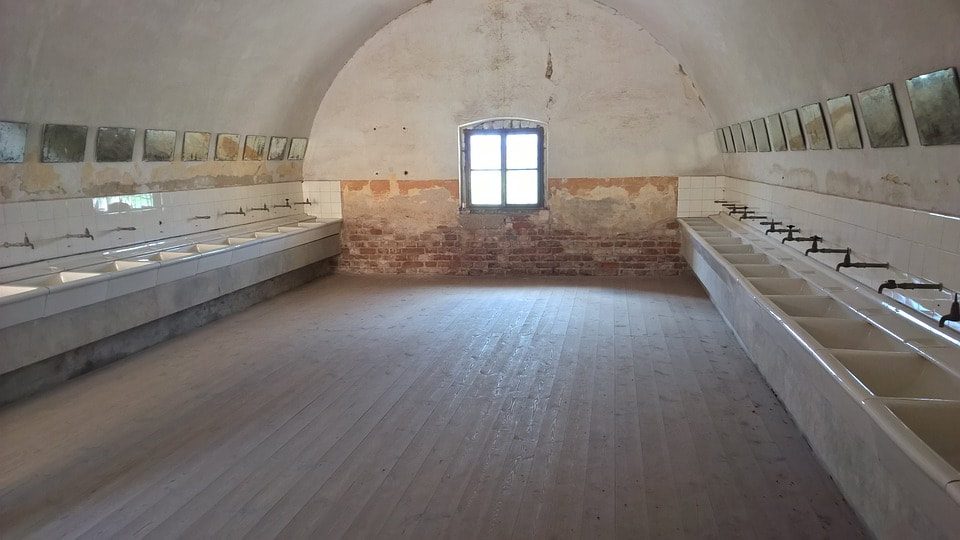
Capture the long, narrow corridors and the repetitive archways that define the architecture of the former prison sections. A low angle works well here to highlight the scale of the fortification walls during your Prague historical landmark visit.
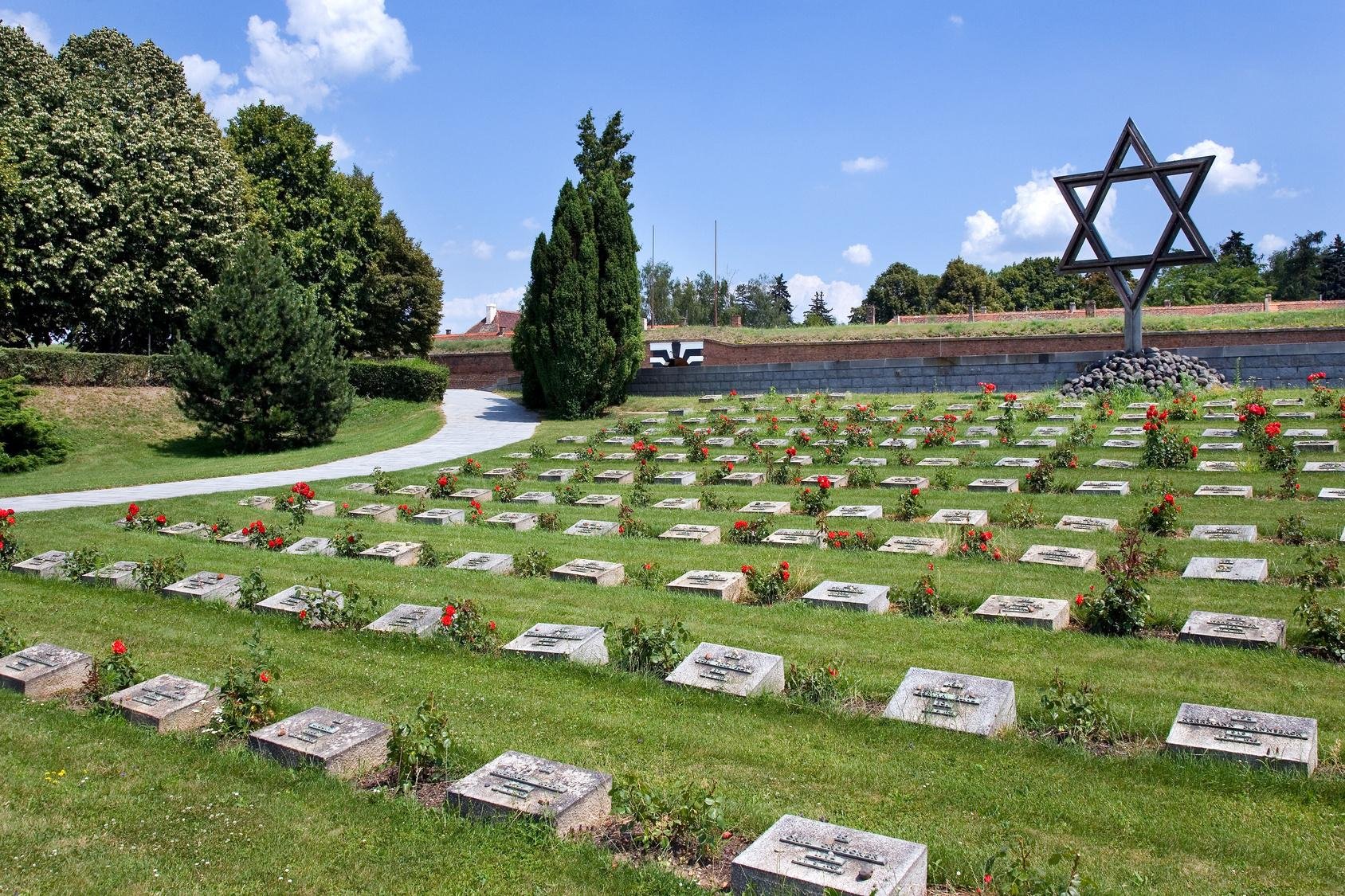
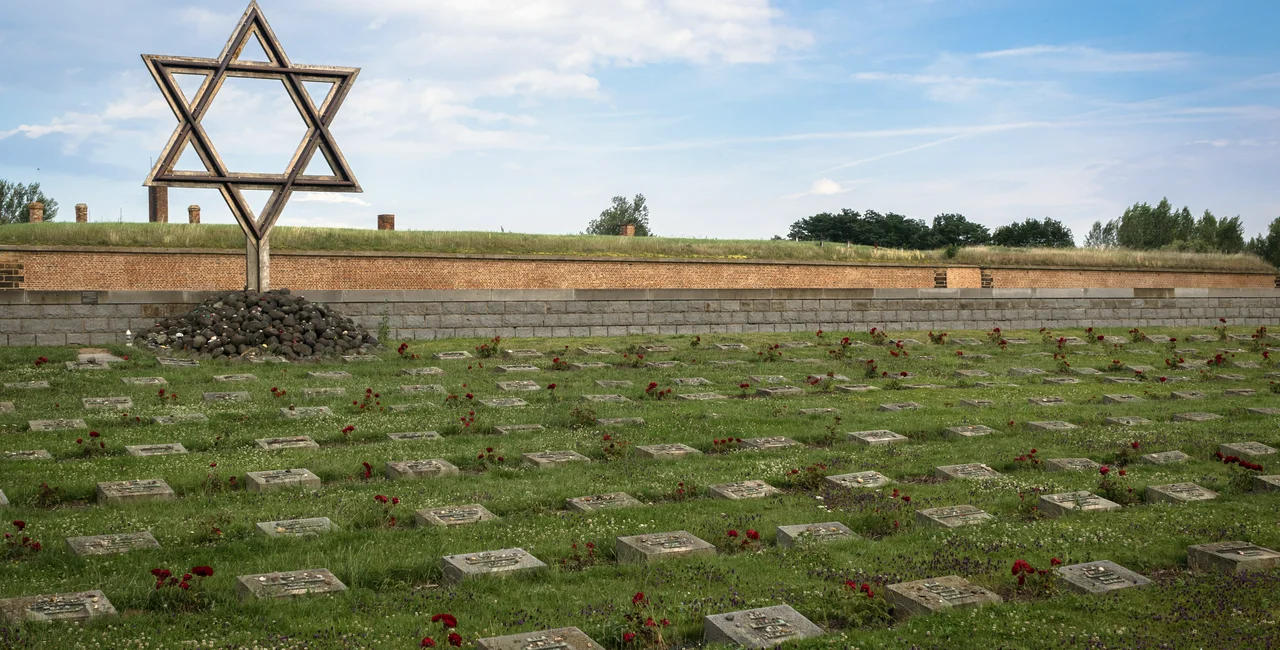
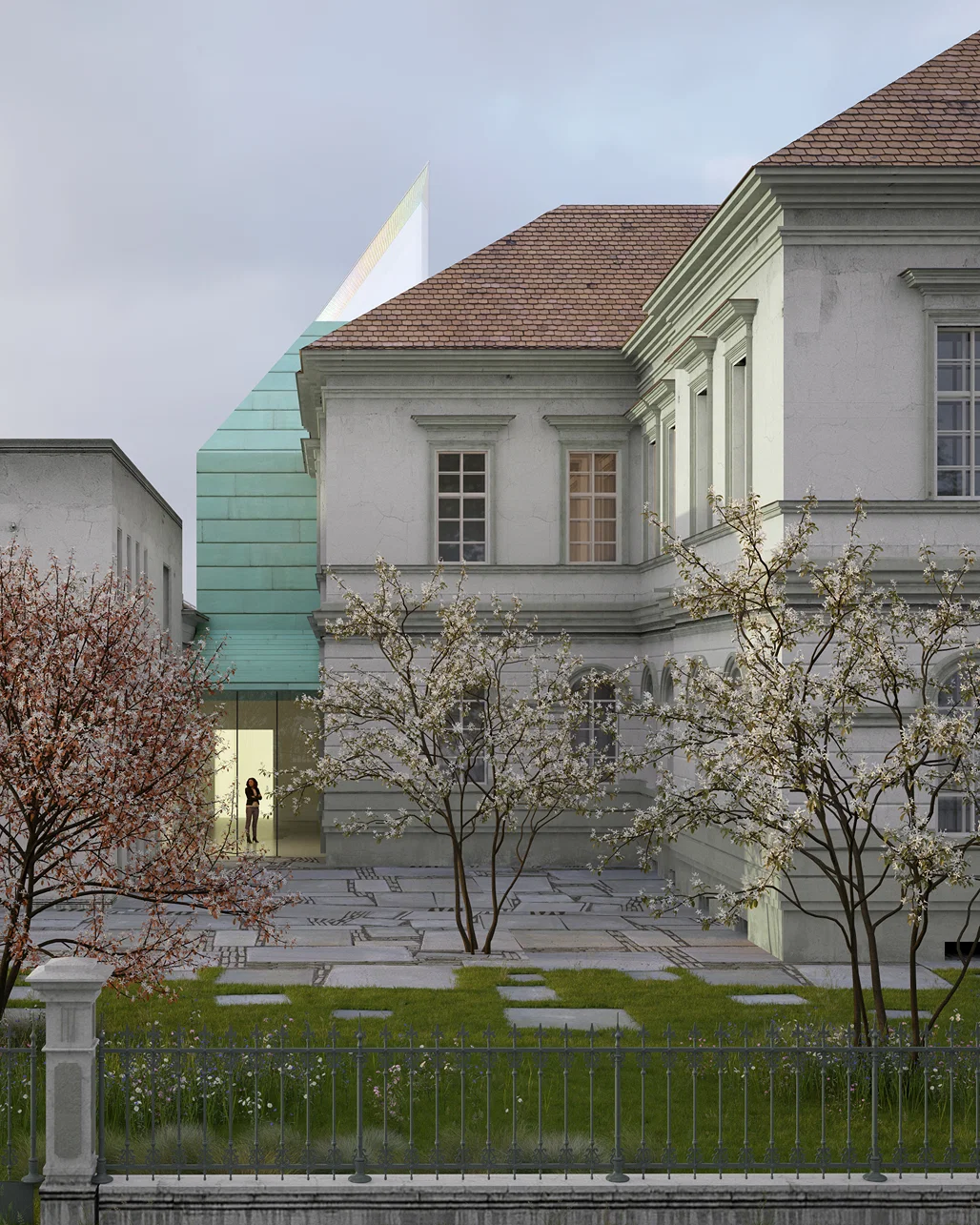
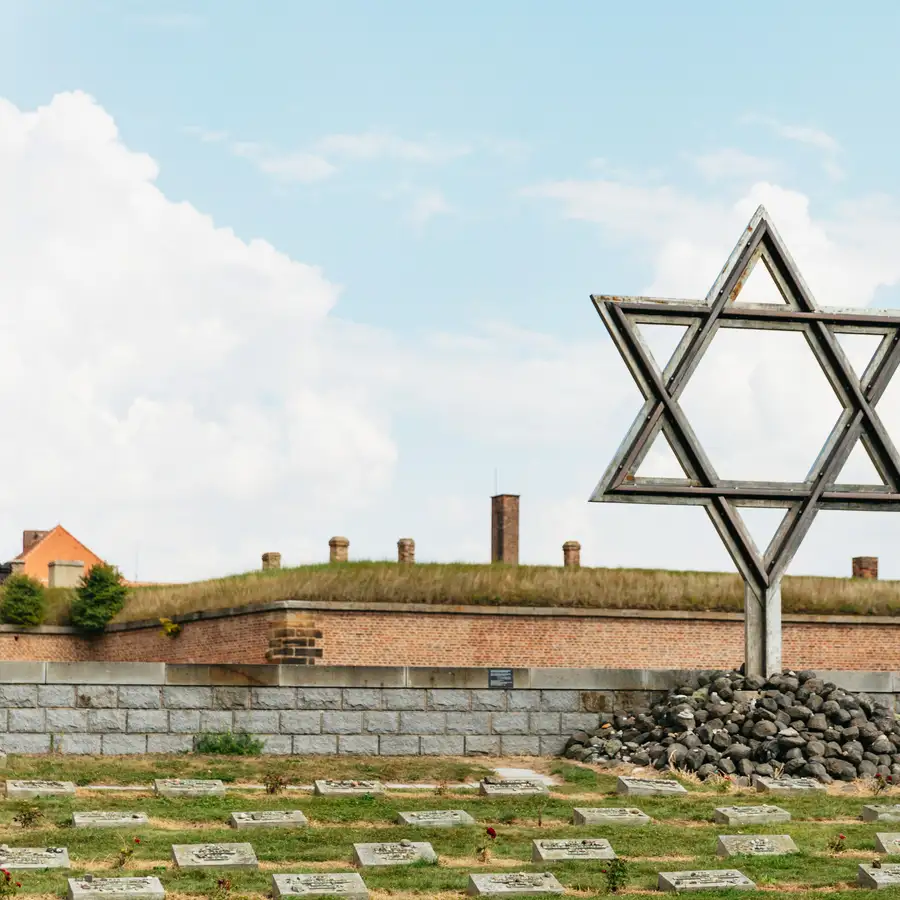
Focus on the architectural transition between the historic buildings and the memorial plaques located in the central space. This area offers a different visual tone compared to the Small Fortress when securing your terezin concentration camp tour from prague tickets.
Visiting the Terezín Memorial with children requires careful emotional preparation due to the somber nature of the site, but the Ghetto Museum and Children's Memorial Room offer accessible entry points for families. Many travelers find that a structured terezin concentration camp tour from prague provides the best balance of historical context and logistics for family groups.
Most sites are barrier-free, though the Small Fortress has uneven surfaces that may require some assistance with a stroller.
The memorial is generally recommended for children aged 10 and older who can process complex historical themes; younger children may find the atmosphere and specific exhibits difficult.
The Ghetto Museum and Small Fortress feature basic amenities; while baby-change facilities are limited, refreshments are available via vending machines or local cafes in the town.
A comprehensive visit spans 3-4 hours; we suggest arriving between 08:00–12:00 to avoid mid-day crowds and allow for a more relaxed, reflective pace.
The Children’s Memorial Room provides a poignant way to discuss the site's history with younger generations using drawings and poetry created by children who were imprisoned there.
Whether you book a guided terezin concentration camp tour from prague or visit independently, prioritizing the Children's Memorial and Ghetto Museum helps tailor the experience for younger minds.
Dining options are limited within the Terezín Memorial grounds, so visitors planning a terezin concentration camp tour from prague often look for small local eateries nearby. Most travelers prefer to utilize the town's modest selection of cafes within a short walk of Principova alej 304 to refuel after their visit.
Located near the Small Fortress, this spot offers traditional Czech lunch specials and hearty soups suitable for a sit-down break. It is a common stop for those finishing their terezin concentration camp tour from prague tour.
Everything you need to know for your journey
The Terezin Memorial is open daily from 08:00–16:30. Most visitors start a terezin concentration camp tour from prague within the recommended 08:00–12:00 window to avoid crowds.
The Terezin Memorial sites are largely barrier-free, though the Small Fortress may require assistance. Accessibility is a key feature of the site infrastructure.
Photography for personal use is permitted during your terezin concentration camp tour from prague. Please remain respectful of the site's solemn character.
A complete visit to the Terezin Memorial takes approximately 3–4 hours. This allows time to see all major sites included in your terezin concentration camp tour from prague.
Reservations are not strictly required to enter, though they are recommended for guided versions of a terezin concentration camp tour from prague.
Food and drink machines are located in the Small Fortress. You will find additional cafes in the town during your terezin concentration camp tour from prague.
Yes, families are welcome, though the themes of the Terezin Memorial are intense. Please evaluate the appropriateness for your group before booking a terezin concentration camp tour from prague.
The entrance fee is 310 CZK for a combined ticket covering the Small Fortress and Ghetto Museum. This is the standard rate for your terezin concentration camp tour from prague.
You can reach the Terezin Memorial from Prague via train to Bohušovice nad Ohří or direct bus. Most visitors take a guided terezin concentration camp tour from prague for ease of transport.
Join thousands of happy travelers who have discovered this incredible experience
Book Your Experience Now